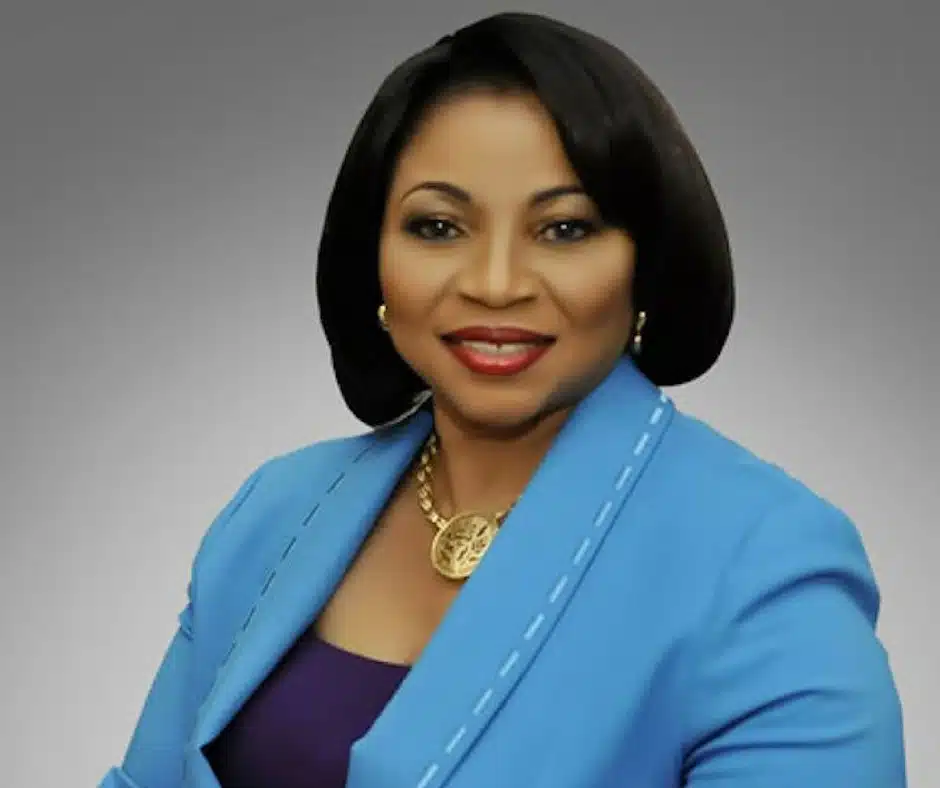

Nigeria’s richest woman, Folorunsho Alakija, has donated a new hospital to Osun State, giving a major boost to healthcare in one of the country’s less affluent regions.
The facility, recently handed over to the state government, is expected to ease the pressure on an overstretched medical system that has long struggled with limited resources and a shortage of doctors.
The hospital’s construction, though undisclosed in cost, marks a significant gesture in a state where many families still depend on small local clinics and faith-based centres for treatment. Health officials described the building as a “fully equipped, standard facility” capable of serving thousands of residents who often travel miles for basic care.
For everyday people, the new hospital could mean saving both lives and money. In Osun, where average incomes are low, the cost of travelling to larger cities for treatment adds up quickly, from transport fares to lost work hours. A functioning hospital nearby promises cheaper access to care and fewer cases of preventable deaths.
Private Wealth Filling Public Gaps
At 73, Alakija has spent much of the past decade funnelling her fortune into philanthropy after decades in oil, fashion and real estate. Her initiatives, through the Rose of Sharon Foundation and Flourish Africa, have supported widows, orphans and women entrepreneurs with training, grants and microloans.
Her latest donation underscores a growing trend in Nigeria where private citizens step in to provide public infrastructure, amid declining federal allocations and strained state budgets. For many Nigerians, it’s a reminder that the country’s wealthiest individuals can influence not only markets but also everyday welfare.
A Call to Shared Responsibility
During the handover, Alakija said the gesture stemmed from her faith and belief in personal responsibility toward community development. “Our country’s challenges can be met with compassion and action,” she said. “This hospital belongs to the people who need it most.”
Public health analysts say such private contributions, while welcome, also highlight deeper systemic issues. Nigeria’s doctor-to-patient ratio remains among the world’s lowest, and most rural hospitals face chronic underfunding.
Still, for residents of Osun, Alakija’s hospital represents hope, a chance for affordable, quality healthcare in a system where such opportunities are rare. It’s a small but tangible relief for families already stretched by rising living costs and declining purchasing power.