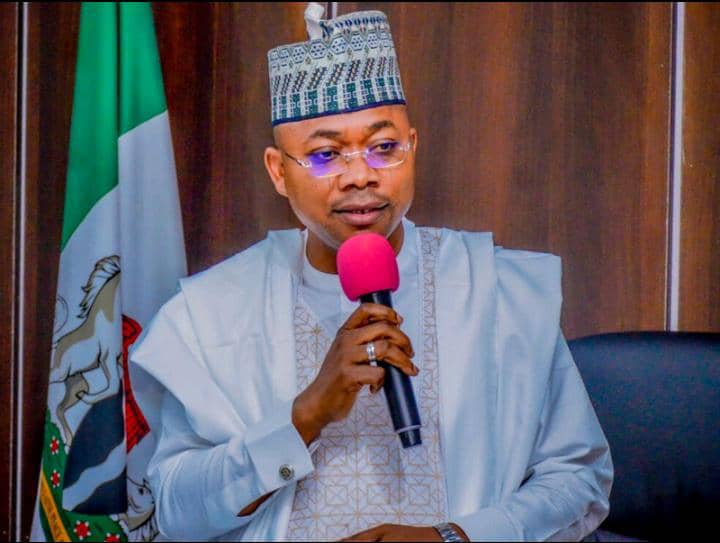

The Kogi State government has introduced a draft budget of N820.49 billion for the 2026 fiscal year, marking a 35.7 % increase over the 2025 revised appropriation. The budget was approved by Governor Ahmed Usman Ododo and presented to the State Executive Council before being sent to the State House of Assembly for legislative review.
According to the Finance Commissioner, Asiwaju Idris, the significant uplift reflects the administration’s renewed focus on inclusive and sustainable development, anchored on efficient resource mobilisation and transparent governance. He stated, “This N820.49 billion draft budget represents a 35.7 per cent increase from the 2025 revised budget, signaling a new era of sustainable growth and inclusive development in the state.”
The budget prioritises five strategic areas: boosting internal revenue, strengthening debt recovery, fostering a business-friendly environment, deepening public-private partnerships, and ensuring completion of ongoing projects. On the topic of fiscal discipline, Idris added, “The 2026 budget proposals reflect a robust and balanced financial strategy emphasising enhanced revenue generation, strategic expenditure control, and a strong commitment to capital investment.”
Meanwhile, the Communications Commissioner, Kingsley Fanwo, noted the governor’s directive for local government councils to assume land‐consent authority, aimed at reducing fraudulent land dealings, curbing illegal mining and tackling insecurity.
Economically, credit-rating agency Fitch Ratings affirmed Kogi State’s Long-Term Issuer Default Rating at ‘B’ with a Stable Outlook, citing the state’s reliance on federal transfers and exposure to volatile oil revenues. The agency warned the operating balance remains sensitive to shifts in oil prices and increasing capital expenditure.
The 35.7 % budget increase spots Kogi State stepping up investment in revenue generation and capital spending. Yet the move comes while the state remains dependent on federal allocations and exposed to oil-price fluctuations. Fitch’s ‘B’ ranking suggests cautious optimism about fiscal sustainability amid these structural constraints.