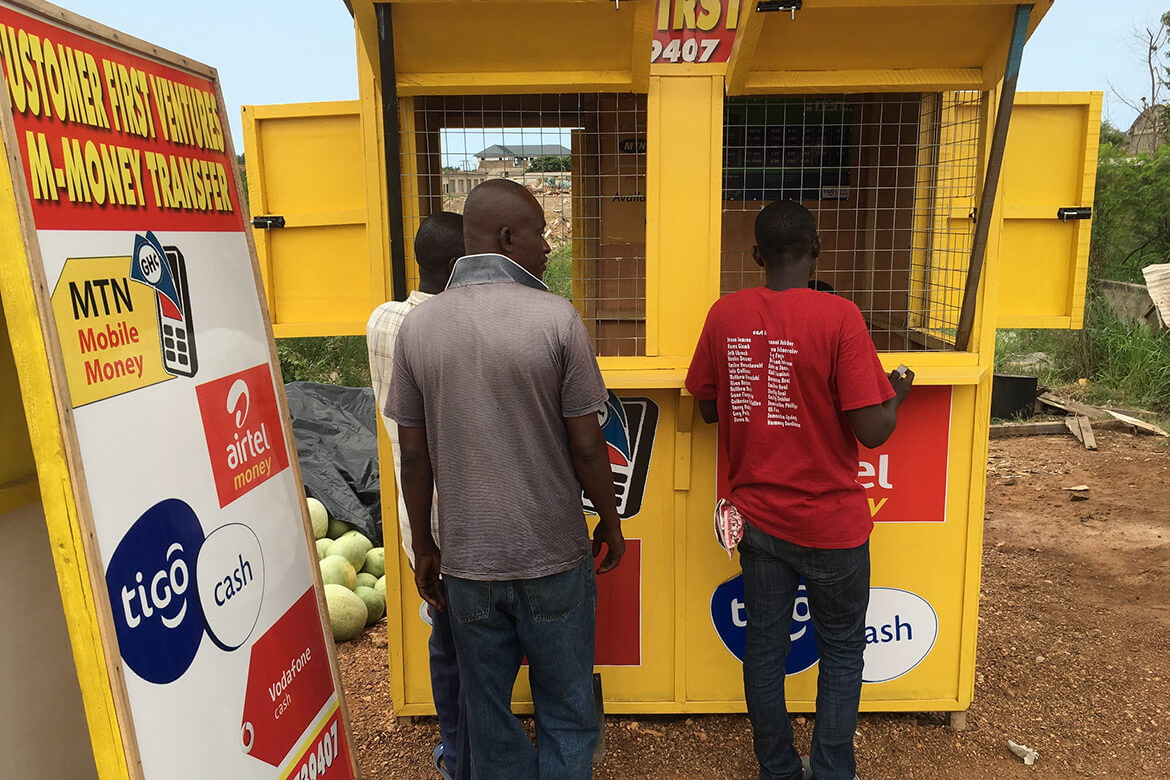

Over the past decade, Ghana has undergone a dramatic transformation in the way its citizens handle money. What began as a modest effort to improve access to financial services has now become one of Africa’s most striking success stories in digital finance. Mobile money, the primary driver of this change, has not only revolutionised payment systems but has also become a central pillar of Ghana’s broader economic development strategy.
According to the Bank of Ghana, digital payments have grown by more than 11,000 times over the past ten years. The number of active mobile money users has surged from fewer than five million in 2015 to around 24 million in 2025, while the total value of transactions has climbed from 266 million Ghana cedis to 3.02 trillion cedis (approximately 280 billion dollars). The country now ranks among the most digitised payment ecosystems on the continent, rivalled only by Kenya, whose early adoption of M-Pesa set the benchmark for financial innovation in Africa.
This explosive growth has had a profound impact on Ghana’s economy. Mobile money has become a key enabler of financial inclusion, extending financial services to millions who were previously unbanked, especially in rural areas where traditional banks have little presence. The ability to send, receive, and store money through simple mobile phones using Unstructured Supplementary Service Data (USSD) technology has allowed even low-income and low-literacy users to participate in the formal financial system. This has, in turn, encouraged savings, improved access to credit, and supported small-scale entrepreneurship.
One of the most significant economic effects has been the reduction in transaction costs and the boost to domestic trade. Small and medium-sized enterprises, which form the backbone of Ghana’s economy, have benefited immensely from the speed and reliability of mobile transactions. Informal traders, market women, and artisans now rely on mobile payments for everyday business, allowing them to operate more efficiently and securely. The growing digital ecosystem has also supported the rise of fintech start-ups and payment aggregators that provide value-added services such as digital lending, micro-insurance, and remittances.
The government, too, has capitalised on the growth of mobile payments to improve tax collection and transparency. The introduction of the Electronic Transfer Levy (E-Levy) in 2022, though controversial, demonstrated the state’s recognition of the digital economy’s revenue potential. While critics argued that the levy could discourage mobile transactions, usage has remained robust, suggesting that the convenience and efficiency of mobile money outweigh the costs for most users.
At the macroeconomic level, the rise of mobile money has contributed to a more resilient financial system. By deepening financial inclusion, Ghana has widened its domestic savings base, which in the long term supports investment and growth. The shift towards electronic payments has also reduced the reliance on cash, lowering the costs of currency management and enhancing monetary policy transmission. The Bank of Ghana’s regulatory oversight of mobile money operators has ensured that the ecosystem remains relatively stable, even amid global financial uncertainty.
However, this rapid transformation is not without challenges. The digital payments boom has raised new questions about data security, consumer protection, and the sustainability of agent networks. Fraud and identity theft remain persistent risks, particularly as transactions become more sophisticated and volumes increase. The central bank has had to tighten regulations on Know Your Customer (KYC) processes and strengthen coordination between mobile network operators, banks, and fintech firms to curb misuse.
Another concern is the growing dependence on mobile network infrastructure, which exposes the economy to potential disruptions from service failures or cyber incidents. Ensuring reliable connectivity, especially in rural and remote areas, remains essential to maintaining trust in the system. Moreover, while the scale of mobile money use has been impressive, the sector still faces an imbalance between deposits and credit creation. Unlike banks, most mobile money operators do not lend directly, meaning that the system, while liquid, does not yet fully channel funds into productive investment.
To address these structural gaps and modernise the financial architecture, the Bank of Ghana has been working on the development of the eCedi, a central bank digital currency (CBDC). The eCedi is designed to complement mobile money rather than replace it. Its purpose is to provide a secure, government-backed digital alternative to cash, ensuring that financial innovation remains underpinned by public trust. The cautious pace of the eCedi rollout reflects lessons drawn from other African experiments, particularly Nigeria’s eNaira, which struggled to attract users due to limited integration with existing payment systems and low public awareness.
If successfully implemented, the eCedi could strengthen Ghana’s financial infrastructure by improving settlement efficiency, reducing transaction costs, and ensuring interoperability across different digital payment platforms. It could also improve fiscal transparency and make it easier for the government to deliver targeted social payments. Yet, the project’s success will depend heavily on maintaining the delicate balance between innovation, regulation, and inclusion.
Ghana’s digital payments revolution illustrates how technology can reshape an economy when supported by sound regulation and public trust. By democratising access to finance and driving formalisation in commerce, mobile money has positioned Ghana as a continental leader in financial innovation. However, sustaining this progress will require continued investment in cybersecurity, digital literacy, and regulatory capacity.
As the country moves toward a future defined by digital finance, the central challenge will be to ensure that this transformation translates into long-term economic resilience, rather than short-term convenience. The evolution of mobile money and the forthcoming eCedi will serve as critical tests of whether Ghana can sustain inclusive growth in an increasingly digital world.