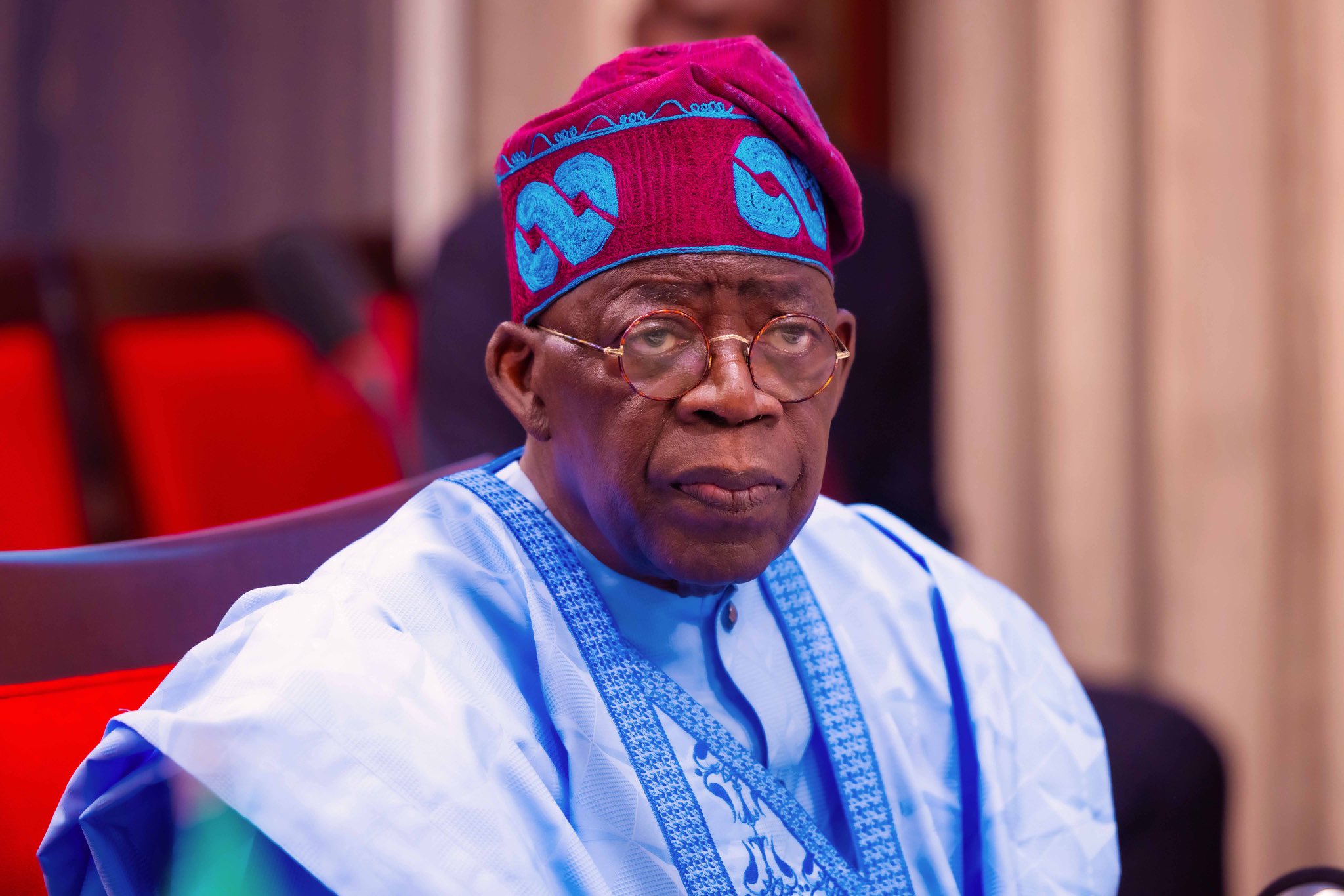

President Bola Tinubu has welcomed the World Bank’s October 2026 Nigeria Development Update, saying his administration’s economic reforms are helping to stabilise the economy and strengthen the country’s growth outlook.
In a statement issued on Sunday, October 11, 2026, by his Special Adviser on Information and Strategy, Bayo Onanuga, Tinubu said the report highlighted the impact of removing the petrol subsidy, unifying the foreign exchange market and strengthening fiscal discipline.
The World Bank’s report, titled “Beyond the Federal Purse: How Higher Revenues Reshaped State Priorities,” said Nigeria’s real gross domestic product grew by 4.2% in the first half of 2026, up from 3.9% in the corresponding period of 2025. In its October 8, 2026, release, the bank attributed the growth largely to the services sector and a stronger contribution from agriculture.
The bank said the improvement helped stabilise Nigeria’s poverty rate for the first time since 2019. It projected average economic growth of 4.4% between 2026 and 2028, with poverty expected to decline gradually if growth outpaces population growth.
Inflation remains a concern despite earlier improvements. The World Bank reported that headline inflation fell from 27.6% in January 2025 to 15.2% in December 2025. However, higher global fuel prices linked to the conflict in the Middle East and seasonal food price pressures have slowed the decline. The bank expects inflation to ease to about 12% by 2028.
Nigeria’s external position also strengthened in the first half of 2026. The World Bank said the current account surplus rose to $12 billion, equivalent to 7.1% of gross domestic product, from $8.6 billion, or 6.7% of GDP, a year earlier. The Presidency’s statement put the surplus at 7.0% of GDP.
The report also highlighted gains in public finances. According to the World Bank, gross federation revenues increased by 69% in real terms between 2023 and 2025, while aggregate state government revenues rose by 93% over the same period.
The additional revenue supported higher spending by state governments. Their total expenditure increased by about 92% in real terms, while capital spending rose as a share of total expenditure from 46% to 61% between 2023 and 2025.
Transport infrastructure recorded the largest increase in spending among infrastructure categories, with housing and agriculture also receiving additional funding.
However, the World Bank warned that higher revenues alone would not guarantee better living standards. Education’s share of total state expenditure fell from 14.9% in 2021 to 12.1% in 2025, while health spending remained broadly stable at around 7%.
Tinubu urged state governors to manage their increased revenues prudently and prioritise projects that improve living standards, particularly in healthcare, education and infrastructure.
“The dividends of reform are becoming visible. But more work remains to ensure they fully translate into better living standards for every household, starting with lower food prices and decent jobs for our young people,” the President said in the statement.
He pledged to sustain the reform programme under the Renewed Hope Agenda, including expanding targeted cash transfers, accelerating compressed natural gas deployment, improving agricultural productivity and widening access to healthcare and education.
The World Bank said sustaining macroeconomic reforms, improving public spending efficiency and strengthening service delivery would be essential to ensuring that economic gains translate into more jobs and better living standards for Nigerians.