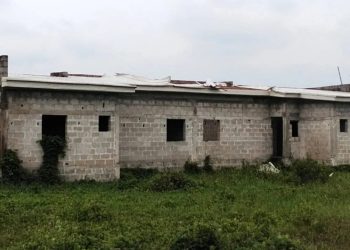

Lagos State has delivered 10,623 housing units since 2019, but the state’s housing deficit remains above 3.3 million units, highlighting the gap between government housing delivery and the growing demand for accommodation.
Governor Babajide Sanwo-Olu disclosed the figures during the 2026 World Habitat Day celebration in Lagos, where he stressed that addressing the housing crisis requires more than constructing buildings.
Represented by the Commissioner for Housing, Moruf Akinderu-Fatai, the governor said the state had delivered the homes through direct government funding and public-private partnerships (PPPs).
According to the figures released by the government, direct budgetary allocations accounted for 4,414 housing units, while PPP arrangements contributed 6,209 units.
The administration has completed 23 housing estates across the state’s five divisions since 2019. However, the estimated housing shortfall remains substantial as population growth, urbanisation and migration continue to increase demand for accommodation.
Sanwo-Olu said adequate housing must include affordability, accessibility, security and access to essential services, including roads, drainage, electricity and water.
The emphasis reflects a central challenge in Lagos’ property market: increasing the number of completed homes does not automatically make accommodation affordable or accessible to low- and middle-income earners.
The government is pursuing additional housing projects to expand the state’s housing stock. Five schemes under construction are expected to provide another 1,584 units, raising the projected total to 14,022 when completed.
The projects include the Egan-Igando Mixed Housing Scheme, LagosHOMS Sangotedo Phase II, the Epe Housing Scheme, Ibeshe Phase II and the Lagos State Workers’ Village in Ipaja. Their completion is expected to increase the supply of government-supported housing, although delivery timelines vary by project.
The state is also using homeownership programmes to help residents acquire property. Under the Rent-to-Own scheme, eligible applicants can make an initial deposit of 5% and spread payments over 10 years.
LagosHOMS, another government-backed initiative, provides a mortgage-based route to homeownership, with equity contributions and repayment arrangements subject to the scheme’s terms.
Despite these interventions, the scale of the housing deficit means that sustained construction, effective partnerships with private developers and access to affordable financing remain important to expanding homeownership.
For Lagos residents, the key test will be whether additional housing supply translates into homes that households can afford, with the infrastructure and essential services needed for decent living conditions.