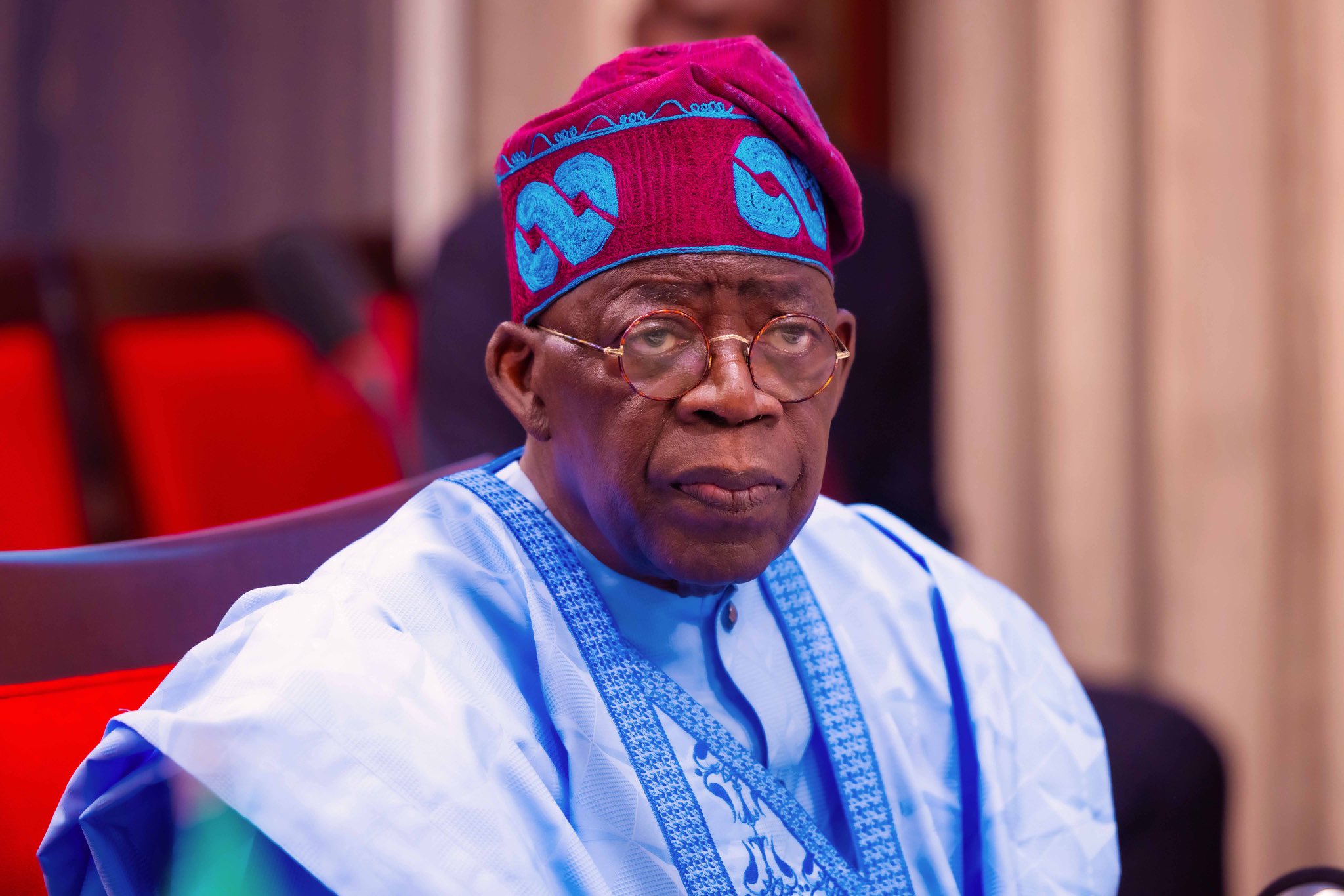

President Bola Tinubu has declared that reducing the cost of living is now the top priority of his administration, saying the Federal Government will focus on lowering the cost of producing and moving goods across Nigeria.
Tinubu made the declaration in his Independence Day address today, as Nigeria marked its 66th anniversary. The address, themed “From Reform to Prosperity,” outlined what the President described as the next phase of his administration’s economic agenda.
“Our priority is to bring down the cost of living. We will achieve this by lowering the cost of producing and moving the things Nigerians consume,” Tinubu said.
According to the President, the government will pursue lower production costs through increased agricultural productivity, improved infrastructure and more efficient transportation of goods from farms and factories to markets.
He said the government was focused on expanding mechanised irrigation and dry-season farming, improving access to seeds and fertiliser, increasing mechanisation and investing in storage and transportation.
Tinubu also said the Federal Government was building and completing roads, railways and ports to improve connections between farms, factories and markets.
“Our logic is simple. When a farmer produces more cheaply, when fewer crops are lost between the farm and the market, when a manufacturer spends less on electricity, when a truck reaches its destination faster, and when the business environment fosters fair competition, all those savings will ultimately find their way into the price of goods in the market,” he said.
The President linked the cost-of-living challenge to wider problems of productivity, infrastructure and access to economic opportunities, saying the difficulties facing many households had accumulated over several decades.
He acknowledged that millions of Nigerians were still struggling to afford basic needs, including food, school fees, medical bills and transportation.
Tinubu said those challenges did not begin with the economic reforms introduced by his administration in 2023, arguing that they were also the result of decades of low productivity, inadequate infrastructure, insufficient opportunities and weak institutions.
He said the government’s focus was now shifting from economic stabilisation to what he described as “shared and widespread prosperity.”
“When I speak of prosperity, I do not speak merely of a larger economy, abstract numbers or better statistics,” Tinubu said. “I mean something much more personal.”
He said his vision included a Nigeria where farmers could produce more cheaply, factories had reliable power, businesses could access credit and young people could find productive employment.
The President also placed jobs, enterprise and industrial growth at the centre of the next phase of his administration’s policies.
He said the government would use gas to power new industries, support businesses seeking to revive factories, expand digital connectivity and invest in skills required by employers.
Tinubu further said the government would strengthen support for vulnerable Nigerians through social programmes, improve the National Social Register and expand access to education financing through the Nigerian Education Loan Fund.
The President described the measures as a bridge towards broader prosperity, rather than substitutes for economic growth.
“The age of reform has done its work. Now begins the age of prosperity,” he said.
Tinubu’s latest pledge places the cost of living at the centre of the government’s economic messaging as the administration moves into the next phase of its reform programme. The challenge now is to translate lower production and distribution costs into more affordable goods and services for households across the country.