
The Universal Basic Education Commission, UBEC, has introduced a digital platform for managing intervention funds and begun work on a new 10 year roadmap for basic education in Nigeria.
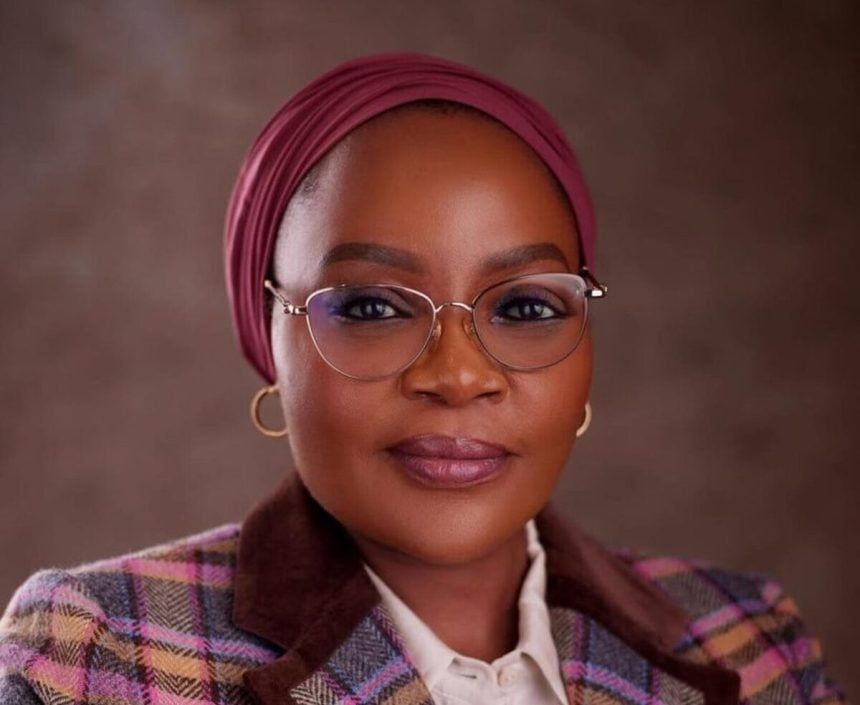
The Executive Secretary of UBEC, Dr Aisha Garba, announced the reforms on Monday in Abuja during a consultative meeting on the Basic Education Action Plan Management System, BEAPMS, and the Universal Basic Education Roadmap for 2026 to 2035. The new digital system is designed to replace the largely manual process through which states access UBEC intervention funds. Under the new arrangement, states will be able to develop, submit and review their action plans online before they are considered for approval. Garba said the platform would improve the speed and transparency of the process while making it easier to track how funds are accessed and used.
“Building on this process, the commission has now upgraded the process into an integrated digital workflow that improves efficiency, transparency, timeliness, traceability and consistency across the fund access cycle,” she said.
According to the commission, its technical teams worked with relevant departments to convert existing manual templates into a digital platform. The system is expected to support better decision making, faster feedback, improved documentation and stronger accountability. The reform builds on a unified framework and revised guidelines introduced in 2025, which were adopted by all 36 states and the Federal Capital Territory. UBEC said technical assistance from the commission also helped several states access their matching grants.
Meanwhile, UBEC has started developing a new 10 year Universal Basic Education roadmap covering 2026 to 2035. The new framework will replace the existing 2021 to 2030 roadmap. Garba said the review was necessary to reflect ongoing reforms in Nigeria’s education sector and respond to emerging national and global priorities.
The new roadmap will focus on policy priorities, funding, coordination between institutions, monitoring and accountability. It is also expected to guide states in preparing realistic and evidence based plans based on their specific education needs. Garba said the new framework would support a shift from “education for all” to “learning for all,” with greater emphasis on learning outcomes rather than simply increasing access to education.
The Executive Secretary urged State Universal Basic Education Boards to take ownership of the reforms by submitting data on time, improving planning and maintaining regular cooperation with UBEC. She said the consultative meeting would help stakeholders agree on the requirements of the digital platform, implementation timelines, reporting responsibilities and training needs. The Dean of SUBEBs, Shehu Adaramaja, called for stronger coordination between UBEC and state education boards to ensure that interventions are properly planned, implemented and monitored. UBEC’s Director of Physical Planning, Nura Ibrahim, also stressed the importance of proper planning in education infrastructure projects. He called for closer cooperation among stakeholders to ensure that investments address the actual needs of schools and communities.
The reforms are expected to strengthen the management of education funds, improve accountability and support better planning and learning outcomes across Nigeria’s basic education sector.