
China has thrown its full weight behind Nigeria following threats by former US President Donald Trump to take military action over alleged persecution of Christians in the country. Beijing said it firmly opposes any form of external interference in Nigeria’s domestic affairs, including the use of religion or human rights as a pretext for political pressure.
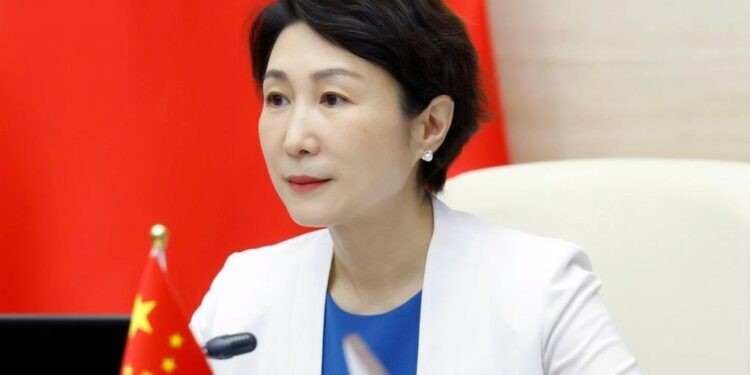
Speaking at a press briefing in Beijing, Chinese Foreign Ministry spokesperson Mao Ning said China “stands against any country using religion or human rights as an excuse to interfere in the internal affairs of others or to threaten them with sanctions and force.” She added that China remains committed to supporting Nigeria’s independent path of development, guided by its national realities.
Tensions rise as US issues warning
Trump’s warning to Nigeria followed reports of attacks on Christian communities, which Washington described as a violation of religious freedom. The former president reportedly labelled Nigeria “a disgraced country” and hinted at possible action if the alleged persecution continued.
President Bola Tinubu has since dismissed the accusations, stressing that Nigeria’s constitution guarantees freedom of religion and that his administration remains committed to protecting the rights of all citizens regardless of faith.
Analysts say the diplomatic exchange reflects the broader contest for influence between Washington and Beijing across Africa. While the United States has traditionally projected its power through diplomacy and conditional aid, China’s approach has been grounded in non-interference and economic partnerships.
Economic implications for Nigerians
Beyond the rhetoric, the situation carries real-world implications for Nigeria’s fragile economy. Any escalation in tensions with the United States could unsettle investor confidence and complicate ongoing negotiations for foreign funding, particularly as Nigeria seeks debt relief and infrastructure financing.
China’s backing may offer Nigeria some diplomatic cover, but ordinary citizens could still bear the brunt of global power struggles. A souring of relations with the US could affect trade flows, foreign exchange access, and even remittances from Nigerians abroad.
As Nigeria tries to stabilise its currency and rein in inflation, uncertainty in international relations adds another layer of pressure. For many households already battling rising food and fuel prices, the latest diplomatic spat is one more reminder that global politics often hit hardest at the local market.