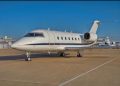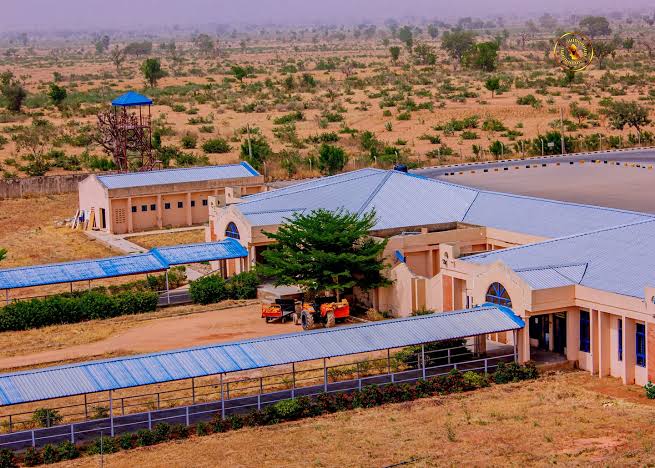

The Brigadier Zakari Maimalari International Airport in Gombe is struggling to generate enough revenue to cover its operating costs, despite a 32% increase in internally generated revenue since March 2025.
The airport’s Sole Administrator, Suleiman-Daniel Musa, disclosed this in an interview published by The PUNCH on September 25, 2026, saying the facility still relies substantially on government funding because revenue remains significantly below expenditure.
Musa said the airport currently handles between 250 and 400 passengers daily and has four airlines operating scheduled flights, compared with two when he assumed office in March 2025. Scheduled services are currently concentrated on the Abuja-Gombe route, while management is negotiating with additional airlines to expand connections to the South and North-West.
He said the expansion is part of efforts to increase passenger traffic and position Gombe as an aviation hub for the North-East. However, inadequate office space remains a constraint to bringing in more airlines.
The ongoing renovation is expected to address the space shortage, with additional offices and passenger facilities being provided. Musa said most construction work directly affecting passenger facilitation was nearing completion and the broader renovation was expected to take about two months.
The revenue challenge comes as the state government continues to invest in the airport. The PUNCH reported on August 8, 2026, that the Gombe State Executive Council approved ₦839.471 million for airport renovations, furnishing, infrastructure repairs and the restoration of a fire service truck, as well as ₦414.345 million to repair washout damage caused by heavy rainfall.
Earlier, the Nigerian Civil Aviation Authority had engaged stakeholders on preparations for the 2026 Hajj airlift, with airport operations and safety requirements forming part of the regulatory preparations. The NCAA said on April 13, 2026, that the engagement was aimed at identifying gaps and addressing challenges ahead of the pilgrimage.
Musa said management is now seeking to turn the airport into a government enterprise by developing additional revenue streams beyond its existing aviation activities.
The administrator said the increase in revenue since his assumption of office had not yet matched the cost of running the facility, underscoring the financial pressure facing the airport as the state invests in expanding its operations.