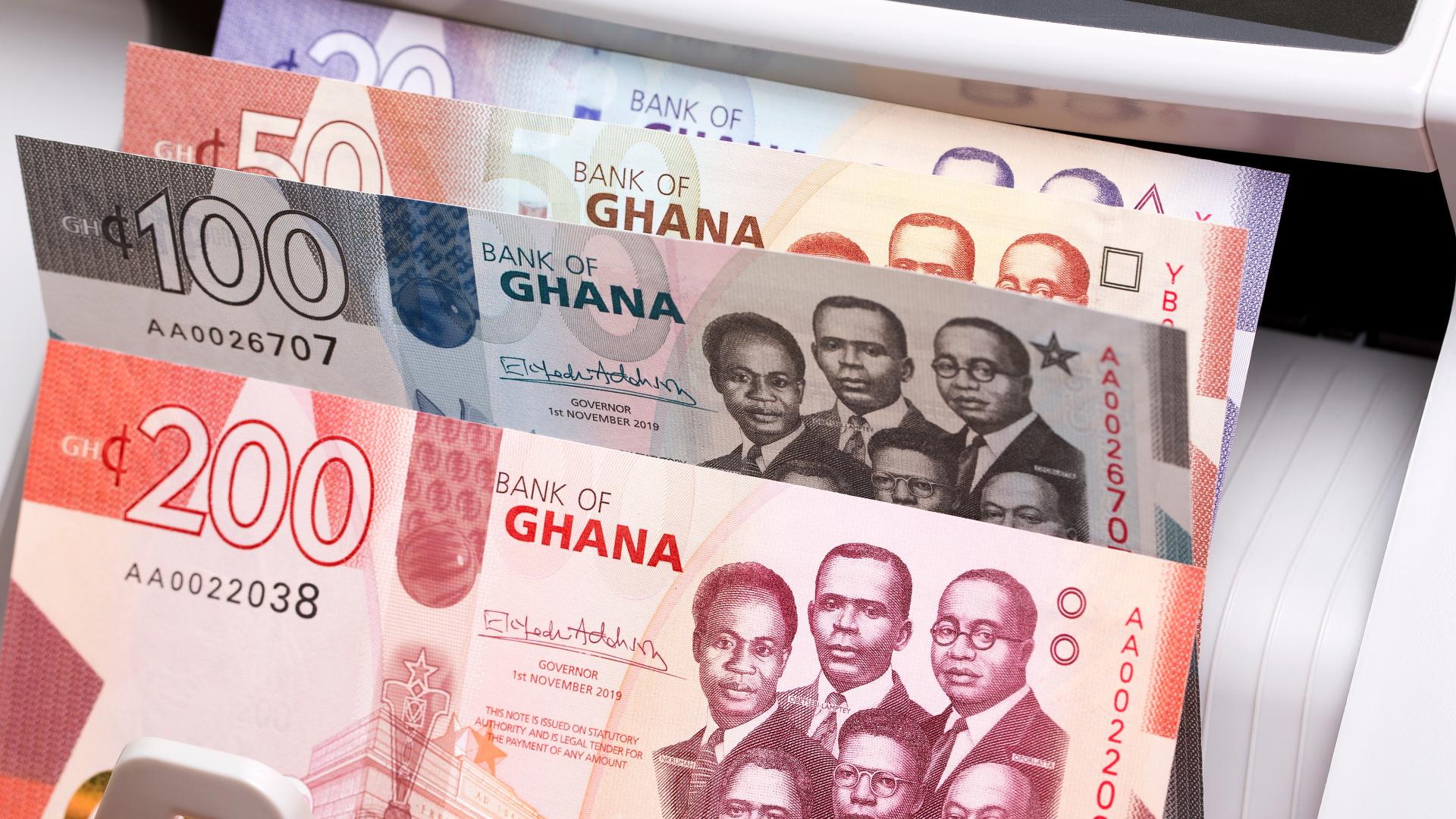

The Bank of Ghana (BoG) has unveiled plans to inject up to $1 billion into the foreign exchange market this November under its revised FX Market Intermediation Programme, in what analysts see as another decisive move to strengthen the cedi and stabilise the country’s external sector.
According to a notice seen by JoyBusiness, the Central Bank will auction approximately $300 million twice weekly to licensed commercial banks on a spot basis. The amount for subsequent months will be reviewed based on prevailing market conditions, liquidity needs, and external inflows. The initiative follows an extraordinary $1.15 billion intervention in October, which analysts say was instrumental in driving the cedi’s 13.9 percent appreciation against the dollar and an impressive 34.86 percent gain so far this year.
The Bank described the new auction format as part of a broader strategy to enhance transparency, improve price discovery, and boost market efficiency. Under the revised programme, the BoG will make FX supplies available through competitive bidding rather than direct sales, allowing banks to quote market-reflective prices. This shift, Governor Dr Johnson Asiama explained, is designed to deepen interbank activity and ensure that interventions remain market-neutral while supporting overall monetary stability.
“The Bank remains committed to developing a transparent and efficient foreign exchange market,” Dr Asiama said, noting that the new measures aim to reduce exchange rate volatility and align Ghana’s FX operations more closely with global best practices. “Our interventions will continue to be open to all qualified banks and will reflect genuine market demand rather than administrative allocations.”
Ghana’s foreign exchange market has faced persistent pressure in recent years, driven by external debt repayments, fluctuating commodity prices, and inflationary spillovers from global economic shocks. However, the cedi’s sharp recovery in 2025 has been attributed to improved investor confidence, stronger foreign inflows, and the BoG’s sustained presence in the FX market. The country’s gross international reserves, which had declined sharply during the 2022-2023 crisis period, have since rebounded, supported by disbursements from the International Monetary Fund (IMF) under Ghana’s $3 billion extended credit facility.
Economically, the BoG’s latest intervention could help anchor inflation expectations and ease import-related price pressures in the short term. A stronger and more stable cedi reduces the cost of imported goods and raw materials, helping businesses manage production costs and supporting consumer purchasing power. It also improves the government’s capacity to service foreign-denominated debt, lowering fiscal risks.
Nonetheless, some analysts caution that while direct FX interventions provide short-term relief, they must be complemented by structural measures to sustain long-term currency stability. Ghana’s dependence on imports for essential goods, including refined petroleum products, and its relatively narrow export base continue to expose the cedi to external shocks. Without a steady pipeline of foreign exchange earnings from non-traditional exports or investment inflows, heavy interventions could gradually erode reserves and strain the Bank’s policy space.
Financial markets have so far responded positively to the BoG’s proactive management. The interbank rate has stabilised, and forward market volatility has eased, with expectations that the currency could remain within a manageable trading band through the end of the year. Commercial banks, for their part, have welcomed the twice-weekly auction schedule, noting that it improves predictability and allows better alignment of customer transactions with market liquidity.
The move also underscores the BoG’s continued transition toward a more rules-based, market-driven FX framework. By creating a transparent and competitive mechanism for FX allocation, the Central Bank hopes to reduce distortions and speculation that have historically driven parallel market activity. This approach aligns with IMF recommendations calling for greater market efficiency, reduced administrative controls, and stronger reserve management.
In the medium term, the BoG’s success will depend on its ability to balance intervention with fiscal discipline and structural reforms that enhance export competitiveness. Sectors such as cocoa, gold, and oil remain vital to foreign exchange earnings, but diversification into manufacturing and services will be crucial to building resilience.
As the cedi continues its recovery, the latest $1 billion injection reflects not only the Central Bank’s determination to protect currency stability but also its broader ambition to modernise Ghana’s foreign exchange ecosystem. If managed prudently, the policy could strengthen market confidence, support disinflation efforts, and help position the Ghanaian economy on a firmer, more sustainable footing.