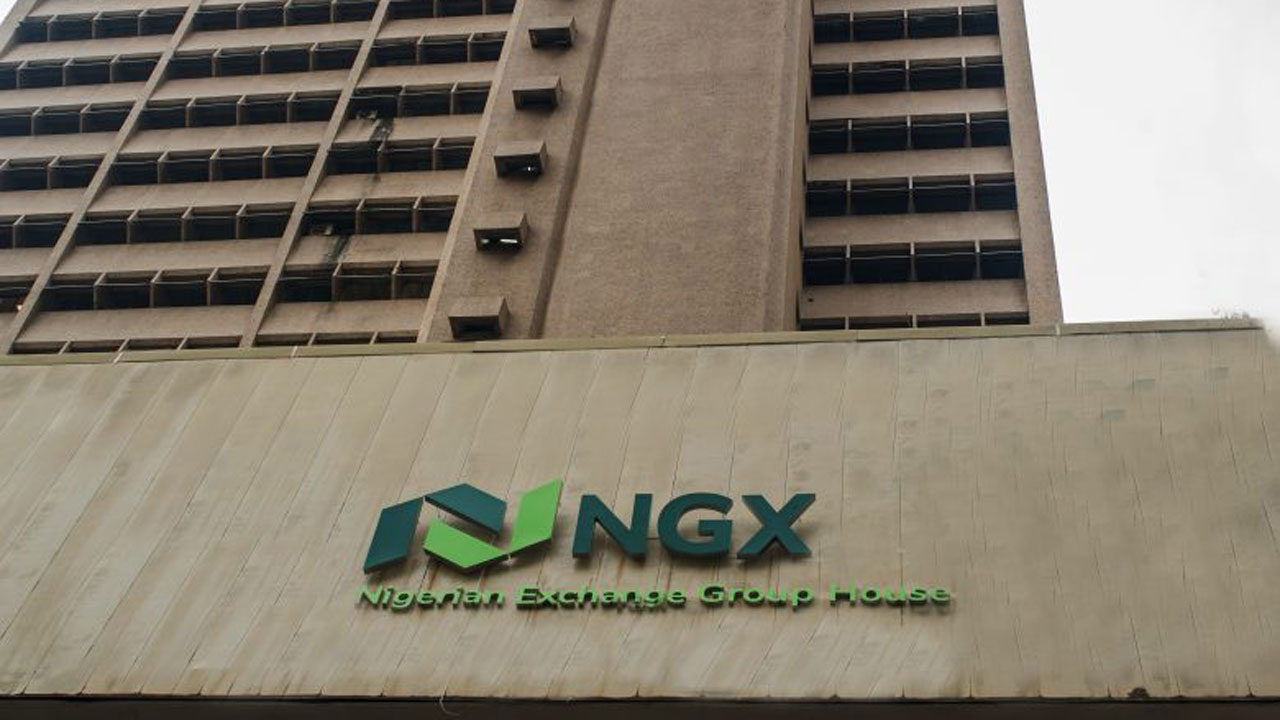

The Nigerian Exchange Limited (NGX) ended August with a marginal 0.44% decline, as a late-month rebound worth N1.91 trillion in market capitalisation helped cushion losses from an extended sell-off.
The NGX All-Share Index (ASI) closed at 244,199.39 points on Monday, August 31, down 1,084.29 points from 245,283.68 points at the end of July. Market capitalisation fell by N587 billion, from N158.326 trillion on July 31 to N157.739 trillion at the end of August, according to market data reported by The Guardian on September 1.
Despite the monthly decline, equities remained among the strongest-performing asset classes in 2026, with the ASI delivering a 56.93% year-to-date gain at the end of August.
The market endured an 11-session losing streak through August 26, when the ASI fell 0.17% to 238,682.92 points. The sell-off wiped about N259.76 billion from market capitalisation that day, according to Nairametrics.
The pressure came as investors locked in profits after the market’s powerful gains earlier in the year, while relatively attractive yields in fixed income increased competition for investor funds.
At the Central Bank of Nigeria’s Treasury Bills auction on August 12, the 364-day bill initially cleared at 17.59%, while OMO bills later offered yields of about 20%. The 364-day Treasury Bill rate was subsequently reduced by 44 basis points to 17.15% at the August 26 auction, despite N3.63 trillion in bids for the one-year instrument.
The equities market, however, staged a strong recovery in the final trading session of the month.
On August 31, the ASI gained 2,900.92 points, or 1.20%, to close at 244,199.39 points, while market capitalisation increased by approximately N1.913 trillion. Banking stocks rose 3.1%, Consumer Goods gained 1.7%, Oil & Gas advanced 1.4%, and Insurance increased 0.9%.
The late rally came shortly after FTSE Russell confirmed on August 27 that Nigeria would be reclassified from Unclassified to Frontier Market status from the open of trading on September 21, 2026. The decision followed an additional assessment of Nigeria’s T+1 settlement framework and its impact on international investors.
The reclassification is expected to improve the visibility of Nigerian equities among global institutional investors and potentially deepen foreign participation in the market.
With the NGX still up nearly 57% year to date despite August’s correction, investors enter September weighing the prospect of renewed equity gains against competition from high-yielding fixed-income instruments.