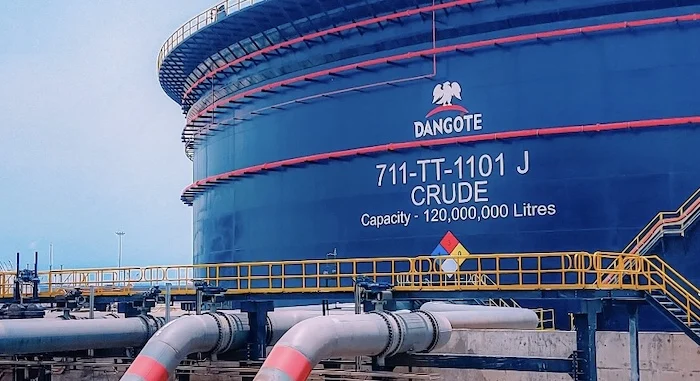

Dangote Petroleum Refinery and downstream marketer MRS Oil Nigeria have raised petrol prices again, marking the third upward adjustment by the refinery in eight days and adding fresh pressure on Nigerian motorists and businesses.
Dangote increased its petrol gantry price by ₦65 per litre to ₦1,265, effective Saturday, August 29, 2026, from ₦1,200 previously. The latest increase follows a ₦20 adjustment from ₦1,165 to ₦1,185 on August 21 and another ₦15 increase to ₦1,200 on August 26.
The three adjustments have lifted Dangote’s gantry price by ₦100 per litre, or about 8.6%, since August 21.
MRS subsequently raised its Lagos pump price to ₦1,310 per litre from ₦1,205, representing an increase of ₦105, or about 8.7%. Vanguard reported on August 29 that checks across Lagos and surrounding areas showed MRS had implemented the new retail price, while some other marketers were selling petrol at ₦1,315 or higher.
The latest increase comes amid renewed uncertainty in Nigeria’s downstream petroleum market. Dangote Refinery has recently raised concerns over the continued importation of petrol, saying the influx of imported Premium Motor Spirit (PMS) is complicating domestic demand forecasting, production planning and inventory management.
According to market data cited by the refinery and reported by several Nigerian outlets, imported petrol accounted for approximately 43% of total PMS supplied to Nigeria in July. NMDPRA data cited in recent reports put average petrol imports at about 19.7 million litres per day in July, compared with 18.1 million litres per day in June.
Dangote has warned that the continued arrival of imported petrol could leave it with excess inventories and force it to redirect more products to regional and international markets.
The latest price increases also come despite a recent decline in international crude prices. Vanguard reported that crude prices had fallen about 5% to $87.31 per barrel, highlighting the growing influence of domestic supply conditions, refining costs, logistics and market pricing dynamics on Nigerian petrol prices.
For consumers, higher wholesale prices could translate into increased transport, logistics and operating costs if more marketers pass the adjustments through to retail customers. The impact will vary across locations and filling stations as marketers factor in their individual supply and distribution costs.