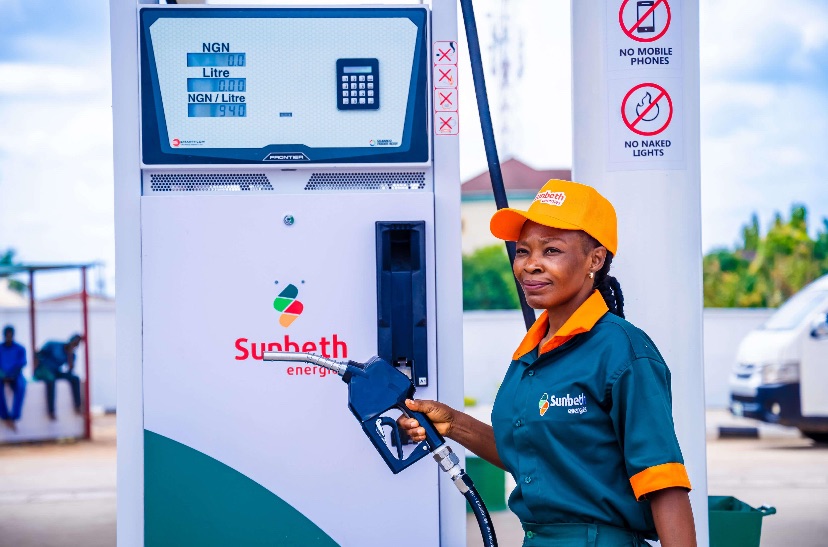

Petrol prices are rising again across parts of Nigeria, with some filling stations now selling Premium Motor Spirit (PMS) for between N1,250 and N1,300 per litre.
The latest increase has triggered fresh concerns among petroleum marketers, who say the frequent changes are making it difficult to plan their businesses and predict their operating costs.
The development followed a new adjustment by the Dangote Petroleum Refinery. On August 26, 2026, the refinery increased its petrol gantry price from N1,185 to N1,200 per litre, adding N15 to the previous price. The increase came only five days after the refinery had raised the price from N1,165 to N1,185 per litre. This means the refinery’s gantry price has climbed by N35 within five days.
The price movement is now feeding into retail prices as marketers add transportation, depot charges, logistics and other operating costs before selling the product to consumers.
Chinedu Ukadike, National Publicity Secretary of the Independent Petroleum Marketers Association of Nigeria (IPMAN), said the situation was creating serious uncertainty for independent dealers.
According to him, marketers have to contend with several factors at the same time, including movements in international crude prices, government policies and changes in the foreign exchange market.
He noted that marketers are not refiners and therefore do not determine the cost at which petroleum products leave refineries. This makes sudden changes in supply prices particularly difficult for businesses that need to plan ahead.
The latest petrol increase has also attracted attention because it happened while international crude prices were falling. On August 25, Reuters reported that Brent crude settled at $88.58 per barrel, down more than three per cent, while US West Texas Intermediate fell to $82.36 per barrel.
The decline was linked partly to changing expectations around the impact of new United States sanctions on Iran and the possibility of reduced military escalation. However, the international oil market remains highly sensitive to developments in the Middle East.
For Nigerian consumers, movements in petrol prices have wider economic consequences. Fuel is an important input for transportation, electricity generation by businesses and households using generators, logistics and the distribution of goods.
When petrol becomes more expensive, transport operators and businesses often face higher running costs. These costs can eventually be passed to consumers through higher prices for goods and services.
Marketers are also warning that price volatility can create losses. A dealer who buys petrol at a higher price may face difficulty if the market price falls shortly afterwards. On the other hand, holding back purchases in anticipation of a price reduction can create supply challenges if prices rise again.
The Dangote refinery’s latest adjustment therefore comes at a sensitive time for Nigeria’s downstream petroleum market. With crude prices, exchange rates and international geopolitical developments continuing to change, marketers say consumers and businesses may have to deal with further fluctuations.
The situation highlights the importance of stability in the petroleum market, particularly as households and businesses continue to adjust to high operating costs.