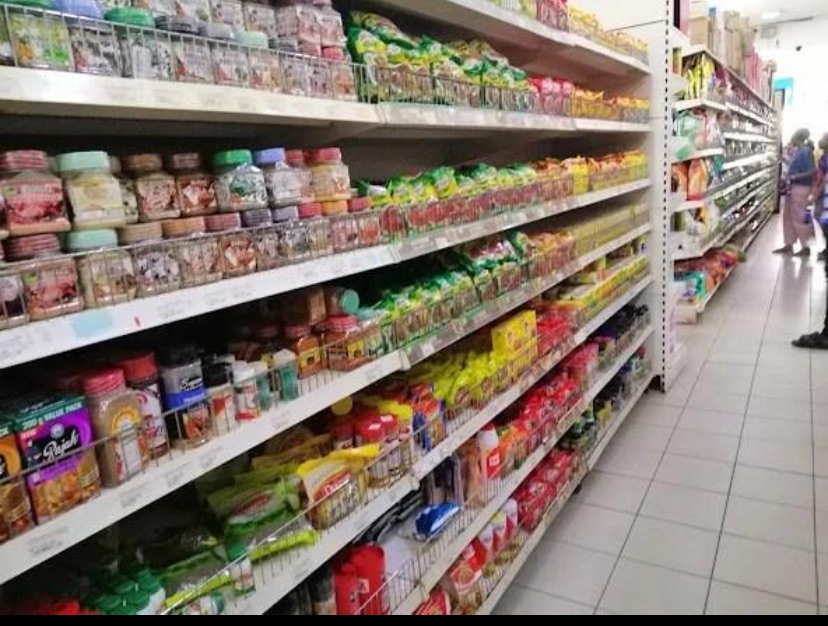

Nigerian consumers are increasingly getting less for the same amount of money as manufacturers, retailers and food businesses adjust product sizes and portions without making equally visible reductions in prices.
The practice, commonly known as shrinkflation, means a company reduces the quantity, weight, volume or size of a product while keeping its selling price unchanged. For consumers, the price tag may look familiar, but the value of what they take home has quietly fallen.
This can be seen across everyday purchases, from packaged foods and household products to cosmetics and restaurant meals.
For example, a snack that previously contained 100 grams may be reduced to 90 grams while remaining at the same price. A bottle of body lotion may move from 500ml to 450ml without a noticeable change in the price. A detergent pack can also become smaller while the retail price stays at its previous level.
Restaurants and food vendors can make similar adjustments by reducing the quantity of rice, meat, noodles, fries or other items served on a plate while maintaining the same menu price.
The reason behind these changes is largely connected to rising operating costs.
Manufacturers have been dealing with higher expenses for raw materials, packaging, transportation, electricity, labour and distribution. Businesses that cannot easily increase prices without losing customers may instead reduce the amount of product they provide.
This creates a less obvious price increase.
If a product costs ₦1,000 but falls from 500g to 400g, consumers are still paying ₦1,000 at the checkout. However, the effective price per gram has increased from ₦2 to ₦2.50 — a 25% increase in unit cost.
That difference becomes significant for households that buy the product regularly.
The situation is particularly important in Nigeria because consumers are already adjusting their spending habits in response to higher living costs. Instead of immediately abandoning familiar brands, many shoppers are comparing package sizes, switching to cheaper alternatives or buying products in smaller quantities.
For businesses, shrinking products can be a way to protect profit margins without announcing another price increase. A sudden jump in the price displayed on a shelf is easy for shoppers to notice, while a smaller package may receive less attention.
However, the strategy can also create problems for companies.
If consumers discover that a product has become smaller while the price has remained unchanged, they may feel that the brand is hiding a price increase. This can encourage customers to switch to competitors offering better value.
The trend also makes headline prices less useful when comparing products. A consumer looking at two detergent packs priced at ₦5,000 each cannot determine which is cheaper without checking the actual weight or volume.
For shoppers, the most important figure is increasingly becoming the price per gram, litre, kilogram or unit, rather than the price printed on the front of the package.
As Nigerian businesses continue to navigate higher production and distribution costs, product downsizing is likely to remain an important part of the consumer market. The real change is not always what customers pay at the till — it is how much product they receive for that money.
For Nigerian households, a familiar price does not necessarily mean a familiar deal.