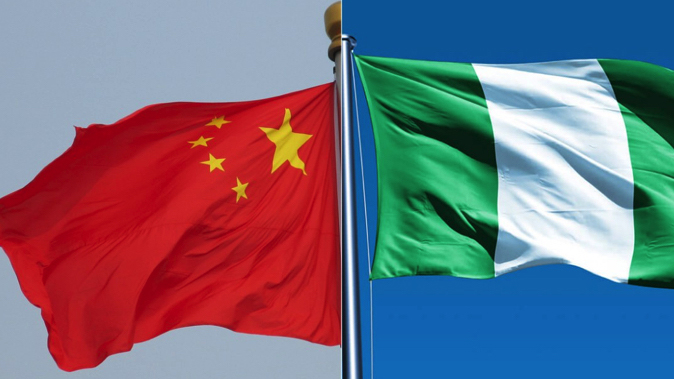

Nigeria’s exports to China surged in the first half of 2026, with Chinese imports from the country rising by about 80% year-on-year to $2.3 billion, according to figures disclosed by Chinese Ambassador to Nigeria, Yu Dunhai.
Yu disclosed the figures at a seminar on China’s zero-tariff measures and Africa’s economic transformation in Abuja on August 14. He said total bilateral trade between Nigeria and China reached $18 billion in the first six months of the year, up 35% from a year earlier. He added that monthly growth in Nigerian exports to China exceeded 40% in both May and June.
The increase coincided with China’s expansion of its zero-tariff policy on May 1, under which products from 53 African countries with diplomatic relations with Beijing became eligible for duty-free access to the Chinese market. The policy had previously covered African least-developed countries before being extended to larger economies, including Nigeria.
However, the H1 figures cover both the period before and after the policy took effect, meaning the entire increase cannot be attributed solely to the tariff cuts. The acceleration in May and June provides an early indication that lower trade costs may be supporting export growth.
At a separate engagement in Lagos, Chinese Consul General Yan Yuqing reported slightly different figures, putting bilateral trade at $17.4 billion and Chinese imports from Nigeria at $2.25 billion, representing an 81% year-on-year increase. The difference is likely attributable to separate data cuts, timing or rounding, but both disclosures point to a substantial increase in Nigerian exports.
Yu cited products including sesame, cattle bone granules and liquefied propane among commodities benefiting from the improved market access. He also cautioned that tariff reductions alone would not deliver structural transformation, stressing the need for African economies to move beyond raw-commodity exports towards value-added production.
The development comes as Nigeria seeks to expand its export base and narrow its persistent trade imbalance with China, its largest trading partner.
Nigeria has also signed a separate aquatic products protocol with China after nearly five years of negotiations. The agreement provides eligible Nigerian aquatic products with zero-tariff access to China’s market and is expected to create additional opportunities for seafood exporters.
For Nigerian exporters, sustaining the momentum will depend on more than tariff savings. Consistent supply, compliance with Chinese quality and phytosanitary requirements, appropriate packaging, efficient ports and lower logistics costs will determine whether the initial surge develops into a durable expansion of Nigeria’s non-oil exports.