
Oil prices continued to rise on Tuesday as hopes of a quick agreement between the United States and Iran weakened, raising fresh concerns about supply disruptions and prolonged tension in the Middle East.
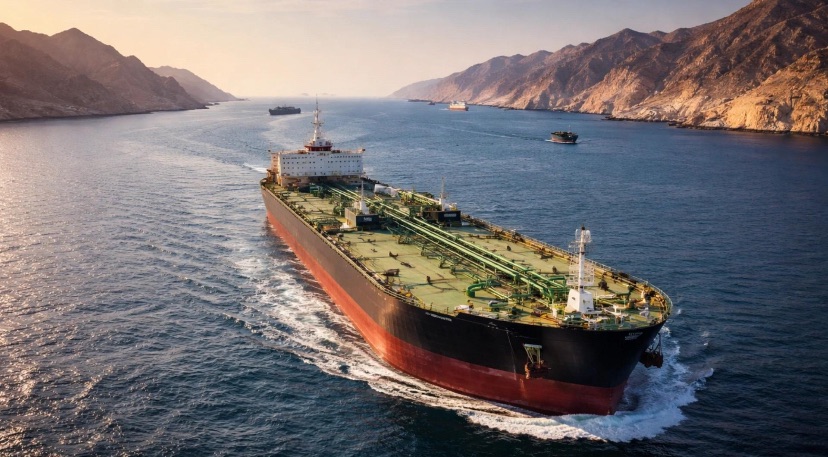
The latest increase came after a deadline for a truce expired without a breakthrough. Investors are now watching developments around the Strait of Hormuz, a major global oil shipping route, as uncertainty over its reopening continues.
Brent crude moved above $91 a barrel after gaining more than 2% on Monday. The rise has increased concerns that expensive energy could keep inflation elevated, making it harder for central banks to cut interest rates.
The situation is also affecting financial markets. Asian stocks mostly declined during Tuesday’s trading session, following losses on Wall Street. Tokyo fell more than 2%, while markets in Seoul and Taipei dropped by more than 1%. Sydney, Singapore and Mumbai also recorded losses.
However, not every market moved lower. Hong Kong, Shanghai, Manila, Wellington and Jakarta posted gains.
In Europe, London’s market edged higher, while Paris and Frankfurt declined.
The uncertainty comes as investors continue to assess the economic impact of the Middle East crisis. Although weaker US economic data has reduced fears of an immediate interest-rate increase by the Federal Reserve, traders remain concerned that inflation could stay high if oil prices remain elevated.
Higher borrowing costs are already putting pressure on financial markets. Long-term US Treasury yields have climbed to levels not seen since 2007, before the global financial crisis. Rising government borrowing and heavy corporate borrowing linked to artificial intelligence investment have added to the pressure.
Diplomatic efforts between Washington and Tehran have also produced limited results so far.
US President Donald Trump has indicated that he does not intend to extend the 60-day truce arrangement, while Iran has dismissed the agreement as irrelevant, arguing that the United States breached it earlier.
Jared Kushner, a US presidential envoy involved in the discussions, said both sides were engaged in active conversations. However, he acknowledged that years of mistrust between the two countries remain a major obstacle.
Trump has also said Iran wants an agreement but is unwilling to accept the terms he considers necessary.
The US administration has warned of tougher economic pressure on Tehran, adding to fears that the standoff could continue for some time.
For investors, the biggest concern is that geopolitical tension, expensive oil and rising borrowing costs could begin to reinforce one another.
Stephen Innes, global strategist at Quintex Intel, said investors had previously treated the Iran conflict, oil volatility and rising long-term Treasury yields as separate problems. He warned that the risks become more difficult to manage when they begin to converge.
With diplomacy still uncertain, markets may remain highly sensitive to developments in Iran, the Strait of Hormuz and global oil prices in the days ahead.