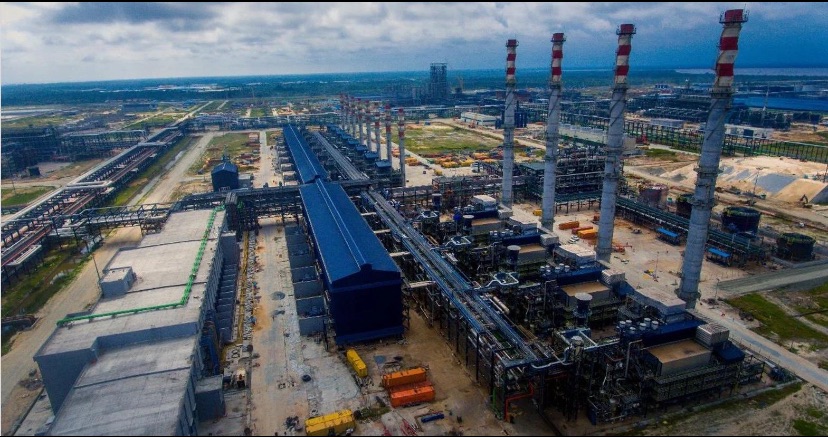

Nigeria’s domestic refineries could save between $246.6 million and $328.8 million in six months if a proposed crude oil swap arrangement becomes operational, according to industry estimates.
The potential savings are linked to lower transportation and other logistics expenses that currently add to the cost of moving crude oil from distant production areas to local refineries.
The proposed arrangement is being developed by the Nigerian Upstream Petroleum Regulatory Commission (NUPRC) in consultation with refiners, oil producers and other industry stakeholders. It is designed to improve crude supply to Nigerian refineries while making the process cheaper and more efficient.
Between January and June 2026, domestic refineries received about 82.2 million barrels of crude oil under the Domestic Crude Supply Obligation. If the same volume were supplied through the proposed swap system, refiners could save between $3 and $4 on every barrel in logistics and related acquisition costs.
At $3 per barrel, the potential savings on 82.2 million barrels would amount to $246.6 million. At $4 per barrel, the figure would rise to $328.8 million.
The estimate represents potential savings and should not be interpreted as money already saved, since the proposed crude swap framework was not in operation during the first half of the year.
Industry stakeholders say the major advantage of the arrangement would be the reduction in the distance crude has to travel before reaching a refinery.
The National Publicity Secretary of the Crude Oil Refiners Association of Nigeria, Eche Idoko, explained that refineries would be able to receive crude from the nearest available export terminal instead of waiting for crude to be transported from a designated but distant location.
Transportation costs can become particularly expensive when barging or other forms of long-distance movement are involved. Removing these additional expenses could make locally sourced crude more affordable for refiners.
The proposed system would not reduce the international price of crude oil. Instead, it would target the extra costs added by transportation, handling and logistics.
Under the planned structure, a refinery could receive crude from a producer located closer to its facility, while the companies involved would later reconcile the volumes at the relevant export terminal.
The arrangement is expected to benefit large facilities such as the Dangote Petroleum Refinery, as well as smaller and modular refineries that often operate with tighter profit margins.
Industry stakeholders have also agreed to establish a crude trading platform that would give local refiners easier access to available crude supplies.
The initiative is expected to operate within the existing Domestic Crude Supply Obligation framework, with NUPRC overseeing crude supply and the Nigerian Midstream and Downstream Petroleum Regulatory Authority providing information on refinery demand.
The need for reform is highlighted by the gap between crude allocated to refineries and the amount actually delivered. In the first quarter, 61.9 million barrels were allocated to domestic refineries, while producers offered 68.7 million barrels. However, only 28.5 million barrels were ultimately supplied.
NUPRC is now working with producers, refiners and industry groups to develop a transparent system that could improve crude availability, reduce logistics expenses and strengthen the domestic refining sector.
If successfully implemented, the crude swap could become an important step toward lowering refinery operating costs and improving Nigeria’s ability to process more of its crude oil locally.