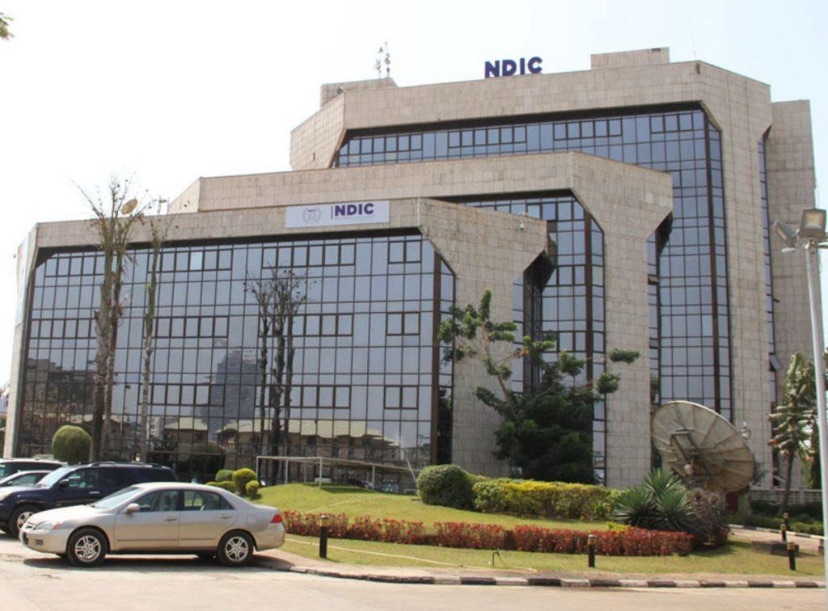

The Nigeria Deposit Insurance Corporation (NDIC) has continued to use its deposit insurance system to protect customers affected by the closure and liquidation of banks, with insured deposit payouts reaching hundreds of thousands of depositors over the years.
The payouts highlight an important part of Nigeria’s banking system that many customers rarely think about until a financial institution fails: deposit insurance.
The NDIC is responsible for protecting eligible depositors when an insured financial institution is closed. According to the corporation, deposit insurance is automatic for eligible accounts, meaning customers do not have to separately apply or pay for the protection.
The corporation’s records show the scale of its work. Its historical data indicates that more than 442,000 insured depositors of 49 closed banks had received insured deposits under earlier coverage limits. More recent closures have expanded the number of customers reached by the system.
The process has also become more technology-driven. For recent bank closures, NDIC has used customers’ Bank Verification Numbers (BVN) to identify alternative accounts in other banks and credit eligible insured amounts directly.
A major example is Heritage Bank, whose banking licence was revoked by the Central Bank of Nigeria in June 2024. NDIC immediately began paying insured deposits, with coverage of up to ₦5 million per depositor under the applicable limit.
The Heritage Bank case also shows why deposit insurance should not be confused with a guarantee that every naira in a failed bank will be immediately recovered. Depositors whose balances exceed the insured limit can receive additional payments through liquidation dividends, depending on money recovered from the failed bank’s assets and outstanding debts.
In January 2026, NDIC announced a second ₦24.3 billion liquidation dividend for eligible former Heritage Bank depositors with balances above the ₦5 million insured limit. This followed an earlier ₦46.6 billion dividend declared in 2025.
The distinction is important for consumers. The insured amount is paid from the deposit insurance fund, while liquidation dividends come from the recovery and sale of assets belonging to the failed institution.
Recent closures in the microfinance and mortgage-banking sectors have also required NDIC intervention. Following the revocation of the licences of Aso Savings and Loans and Union Homes Savings and Loans in December 2025, NDIC began verification and payment of insured deposits, with coverage of up to ₦2 million for eligible depositors in those institutions.
For ordinary customers, the wider lesson is about accountability and confidence. Bank failure can disrupt businesses, savings and household finances, but the deposit insurance framework is designed to reduce the immediate impact on eligible depositors.
However, customers still need to understand the limits. NDIC currently provides coverage of up to ₦5 million per depositor in each insured Deposit Money Bank and Primary Mortgage Bank, while the limit for microfinance bank depositors is ₦2 million. Amounts above the insured limit may depend on future liquidation recoveries.
As Nigeria’s financial sector continues to evolve, the effectiveness of these payouts will remain an important measure of consumer protection. For depositors, knowing what is insured, keeping banking records accurate and ensuring BVN and account information are properly linked can make the recovery process smoother if a bank ever fails.