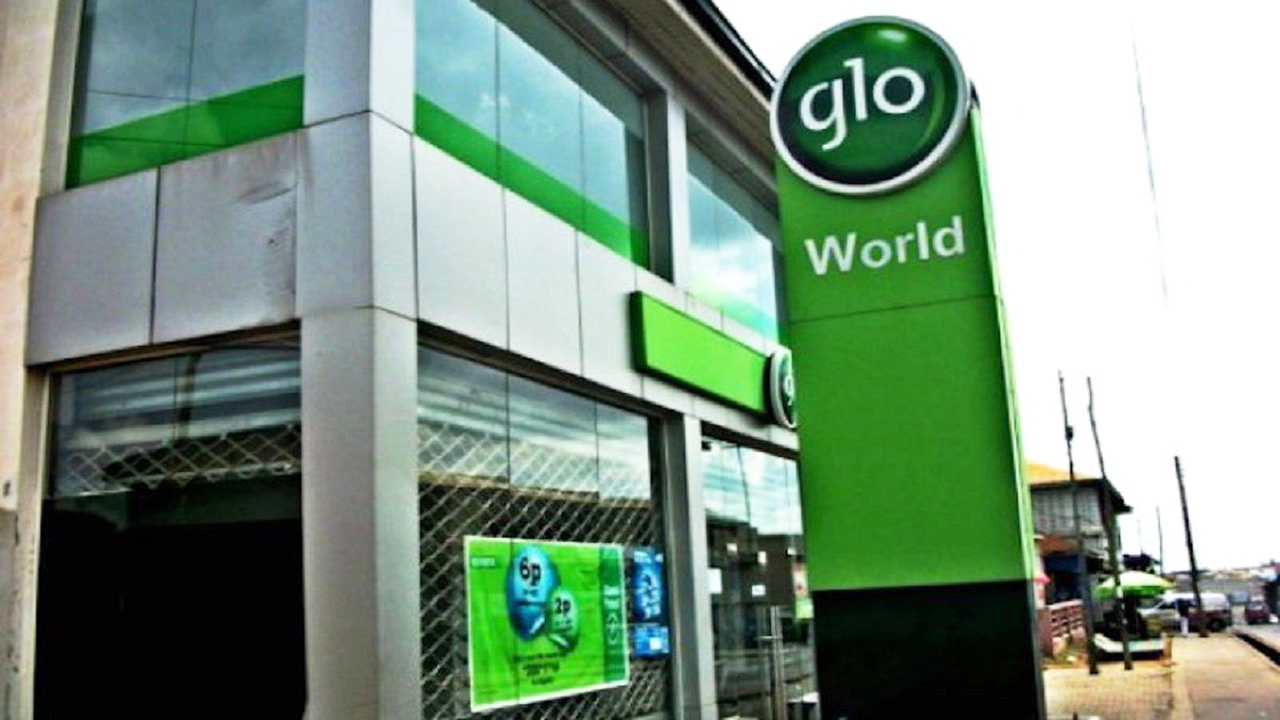

In a crowded Nigerian telecom market where price wars have long dominated, Glo (Globacom) is quietly engineering a strategic pivot: from sheer network size to everyday utility. The operator, Nigeria’s third largest by subscriber base, is doubling down on what executives call “life-stage connectivity”, bundling data, voice, and mobile payments around essential routines like commuting, small-business transactions, and remote learning.
“We stopped selling megabyte-per-naira,” a senior Glo product manager said, speaking on condition of internal policy. “We are now selling ‘can I pay my trader?’ and ‘can my child submit homework?’”
The shift arrives as Nigeria’s telecom sector faces slowing subscriber growth from 227 million connections in 2023 to a projected 235 million by end 2024, per the Nigerian Communications Commission (NCC). With voice revenues plateauing, operators increasingly chase data monetisation. But Glo’s latest unlimited social bundles and zero-rated access to local e‑government portals mark a departure: prioritising daily resilience over peak speed.
Market implications are tangible. Analysts at Lagos-based Chapel Hill Denham note that Glo’s average revenue per user (ARPU) remains below MTN’s, yet churn rates have dropped 12% year‑over‑year after introducing low‑entry daily plans. “Affordability is sticky in a price‑sensitive market,” said telecom equity researcher Tunde Ajayi. “If Glo successfully cross‑sells mobile money, it could reshape competitive dynamics.”
Stakeholders react favourably. The National Association of Small‑Scale Traders told this columnist that Glo’s zero‑fee mobile money transfers have reduced daily transaction costs by nearly 20% for members. Conversely, rivals MTN and Airtel are accelerating their own utility‑focused bundles, suggesting a broader industry recalibration.
Looking forward, Glo faces a familiar challenge: network quality perception. Recent crowd‑sourced speed tests still place it behind MTN in major cities. However, its aggressive rollout of 4G in semi‑urban areas, where 70% of new subscribers originate may prove decisive. For Nigeria’s 85 million unbanked adults, connectivity is less about gigabit speeds than reliable access to commerce and information.
The broader significance: Glo’s strategy mirrors emerging market telecom playbooks from Jio in India to Safaricom in Kenya. If successful, it could accelerate digital inclusion across Africa’s largest economy, while forcing incumbents to compete on life‑impact, not just infrastructure. Investors should watch ARPU and mobile money adoption as key leading indicators over the next two quarters.