
Nigeria’s business landscape is gradually changing as more entrepreneurs turn environmental challenges into profitable opportunities. From solar energy and waste recycling to electric vehicles and climate-focused technology, green businesses are becoming an important part of the country’s emerging economy.
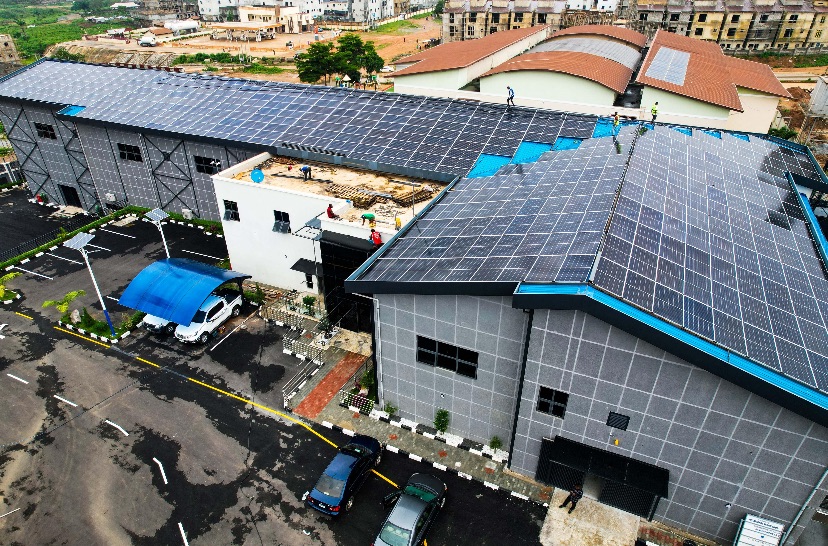
One of the fastest-growing areas is renewable energy. With businesses and households still looking for reliable and affordable electricity, solar companies are providing alternatives to petrol and diesel generators. Entrepreneurs are selling solar panels, batteries, inverters and complete power systems to homes, shops, farms and offices.
The opportunity is particularly attractive because customers are not only buying clean energy; they are also looking for ways to reduce the rising cost of running generators. This has created room for businesses that offer solar installation, maintenance, financing and pay-as-you-go energy services.
Recycling is another area gaining attention. Nigeria generates large amounts of plastic, paper, metal and electronic waste every day, creating both an environmental problem and a business opportunity. Recycling companies and small-scale waste entrepreneurs are collecting discarded materials and converting them into products that can be reused by manufacturers.
Some startups are also using technology to make waste collection more efficient. Digital platforms can connect households and businesses with recycling companies, while data can help operators identify areas where recyclable materials are available.
Electric mobility is also beginning to attract entrepreneurs and investors. As fuel costs remain a major concern for transport operators, electric motorcycles, vehicles and charging solutions are emerging as potential alternatives. Although the sector still faces challenges such as charging infrastructure, battery costs and electricity supply, its long-term potential remains significant.
Climate-tech startups are expanding the opportunities even further. Businesses are developing solutions that help farmers manage weather risks, improve water use, reduce emissions and monitor environmental changes. These companies can potentially serve both local customers and international organisations interested in climate and sustainability solutions.
However, green businesses still face obstacles. High startup costs, limited access to affordable financing, inadequate infrastructure and low public awareness can make it difficult for new companies to scale.
Despite these challenges, Nigeria’s environmental problems could become a major source of economic opportunities. Entrepreneurs who can develop affordable solutions to energy, transportation, waste and climate challenges may find a large and growing market.
The rise of green businesses therefore represents more than an environmental movement. It is becoming a new business frontier where solving everyday problems can also create jobs, attract investment and generate profits.