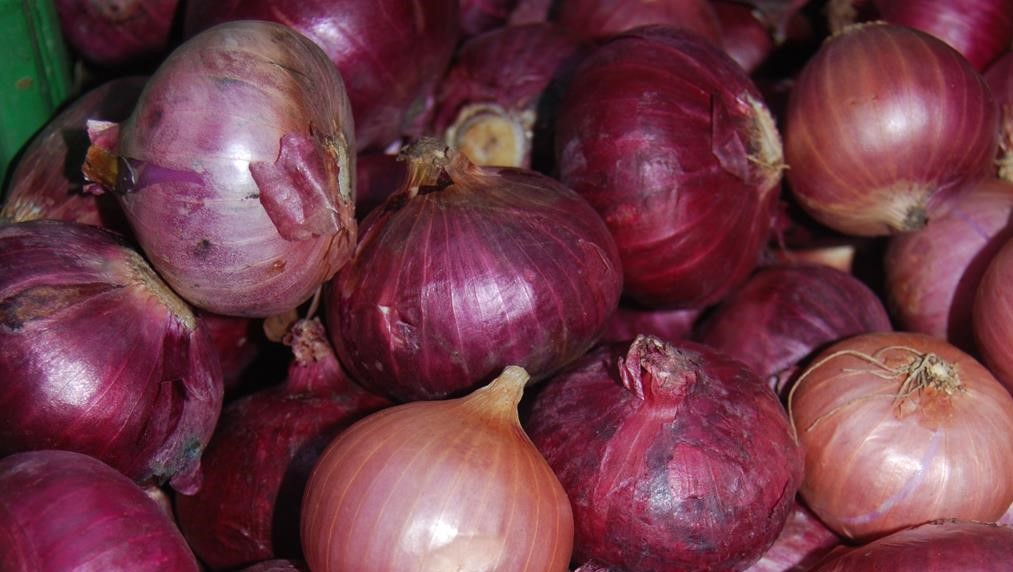

Nigerian onion exporters have halted all shipments to Ghana, escalating a long-running trade dispute and prompting a formal appeal to the Economic Community of West African States to intervene.
Alhaji Aliyu Maitasamu, national president of the National Onion Producers, Processors and Marketers Association of Nigeria (NOPPMAN), said the suspension followed the exhaustion of other resolution options. Speaking to reporters in Sokoto, he framed the halt as a last resort rather than a challenge to regional trade principles, and said it would remain in force until Abuja and Accra agree on clear terms governing the onion trade between the two countries.
The move revives tension in a corridor that briefly seized up earlier this year. In April, Nigerian traders suspended shipments for five days following reports of truck seizures and harassment at a major Accra market, before resuming after diplomatic intervention from Nigeria’s High Commissioner to Ghana and Ghana’s trade ministry. Maitasamu’s latest comments suggest the underlying friction was never fully settled and has now resurfaced as a fresh standoff.
He warned that a prolonged suspension risks meaningful losses on both sides of the border and could unsettle onion supply and pricing in Ghana, which relies heavily on Nigerian volumes. Nigeria is West Africa’s largest onion producer and the second-largest in Africa, and the trade sustains farmers, aggregators, truck operators, wholesalers and retailers across the value chain.
Maitasamu urged ECOWAS to mediate before the dispute widens, cautioning that unresolved friction between two of the bloc’s largest economies undercuts the free-movement principles underpinning regional integration. He called for a transparent, enforceable framework to govern cross-border onion trade and protect traders from what he described as unilateral disruptions.
The NOPPMAN president said the suspension was not intended to undermine commerce between the neighbours but to force sustained attention on the difficulties Nigerian traders face in Ghanaian markets. He appealed for dialogue among all parties, arguing that ECOWAS-brokered mediation would serve traders’ interests on both sides of the border.
No timeline has been given for resolution, and it remains unclear whether Nigerian and Ghanaian trade officials have scheduled fresh talks. The dispute adds to a pattern of recurring friction in intra-regional agricultural trade, testing ECOWAS’s capacity to enforce its own free-trade commitments even among founding member states.