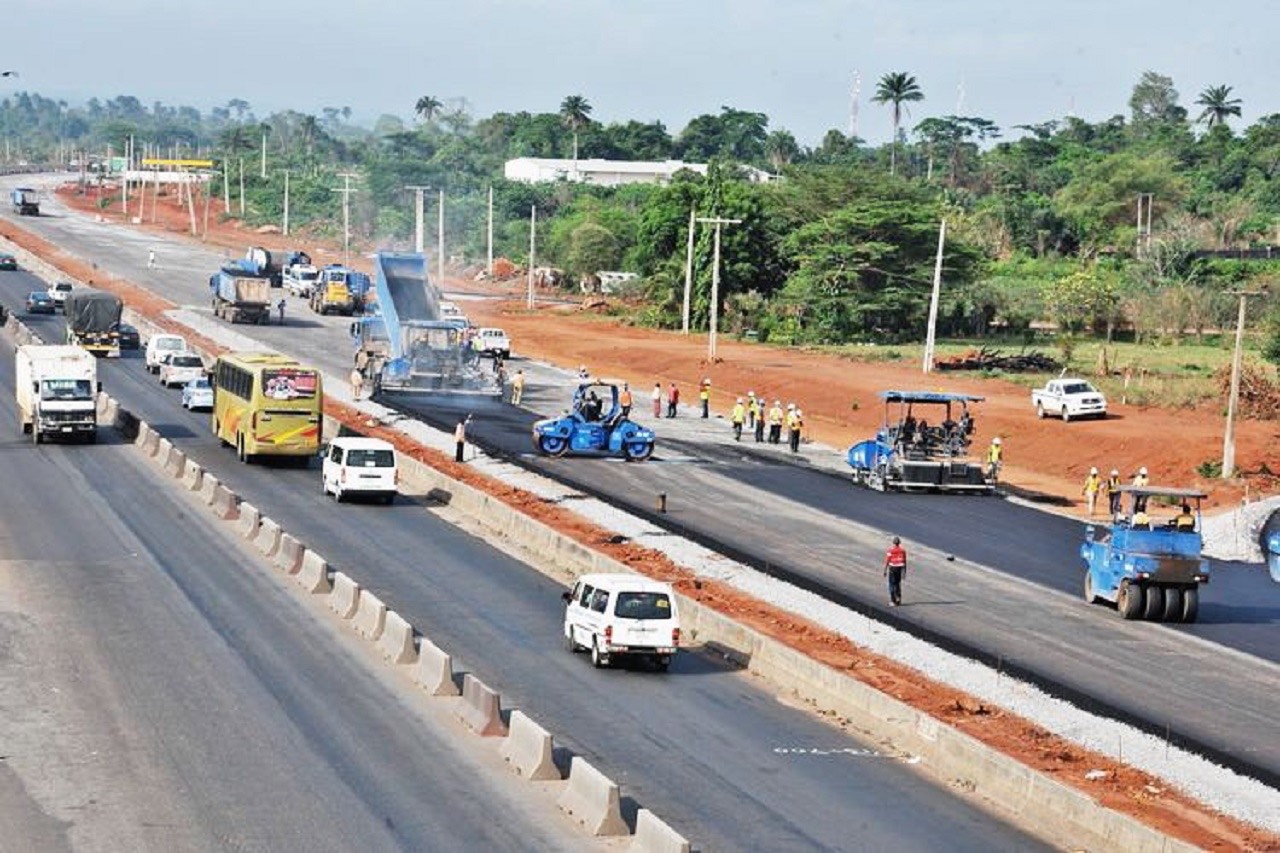

The Federal Government has launched the Coastal Highway Guards, deploying an initial 40 officers to protect the Lagos-Calabar Coastal Highway from vandalism, illegal occupation and other activities that could threaten the infrastructure.
Works Minister David Umahi inaugurated the security initiative on Sunday, August 9, 2026, with retired General Adekunle Shodunke appointed to lead the team. The guards are expected to work with relevant security agencies in Lagos State.
The initiative comes as the government steps up efforts to protect strategic infrastructure along the highway, where the ministry has reported incidents involving the removal of construction materials and unauthorised use of sections of the route.
According to a statement by Jubril Gawat, Senior Special Assistant on New Media to the Lagos State governor, the guards will maintain a visible presence along the highway, report suspicious activities and monitor vandalism.
They will also restrict hawking, loitering and the use of commercial motorcycles, commonly known as okadas, and tricycles, or kekes, along the highway.
Umahi stressed that the programme was not an empowerment initiative but a full-time employment scheme focused on protecting government assets.
The minister said officials had encountered people removing blocks, breaking fences and taking reinforcement rods from sections of the project. He also said an inspection conducted late at night found people sleeping on the highway.
The government’s decision highlights a broader challenge facing large public infrastructure projects in Nigeria: protecting newly constructed assets from theft, informal occupation and unauthorised commercial activity before they become fully operational.
The Lagos-Calabar Coastal Highway is a major transport corridor intended to improve connectivity along Nigeria’s southern coastline and support trade, tourism and economic activity.
The project spans about 750 kilometres from Lagos to Calabar and passes through several coastal states. Government documents identify Lagos, Ogun, Ondo, Edo, Delta, Bayelsa, Rivers, Akwa Ibom and Cross River along the broader corridor.
Hitech Construction Africa is executing major sections of the project under the Federal Ministry of Works. A completed Lagos section between Ahmadu Bello Way and Eleko Village was opened to traffic temporarily in December 2025.
Umahi has also urged the Nigeria Security and Civil Defence Corps to intensify protection of strategic national infrastructure. He said the Works Ministry had opened its ongoing projects to scrutiny by anti-corruption agencies.
For investors, businesses and road users, effective security will be critical if the highway is to deliver its intended economic benefits. Protecting the asset during construction is therefore not merely a security issue; it is part of preserving the value of one of Nigeria’s largest ongoing transport investments.