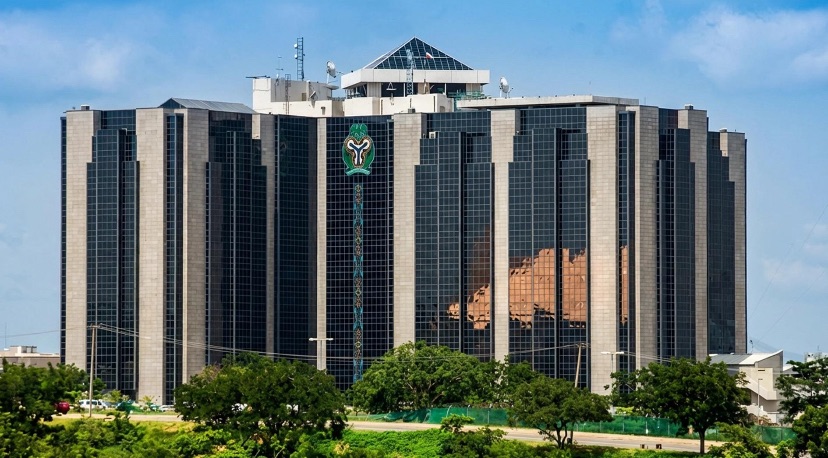

Nigeria is taking a major step toward regulating its fast-growing cryptocurrency industry, with the Central Bank of Nigeria (CBN) set to lead a new framework designed to create clear and coordinated rules for digital assets.
The move follows the Federal Government’s introduction of the Presidential Executive Order on Virtual Assets Coordination, 2026, which establishes a unified system for supervising cryptocurrencies, stablecoins and other virtual assets.
Under the new framework, the CBN will chair a Virtual Asset Council that will work alongside the Securities and Exchange Commission (SEC), the Nigeria Revenue Service (NRS), and other government agencies. The goal is to replace fragmented regulations with a single, business-friendly system that supports innovation while protecting consumers.
Speaking at the Nigeria Stablecoin Summit 2.0 in Lagos, Deputy Director and Tax Controller at the NRS, Oni Olushola, said the government has changed its approach from restricting digital assets to regulating them.
According to him, the new policy is designed to encourage the growth of the crypto industry while ensuring proper oversight, tax compliance and investor protection.
Olushola explained that businesses operating in the digital asset space previously had to deal with multiple regulators and different rules, making compliance difficult. The new coordination framework is expected to simplify the process and create greater confidence for investors and operators.
He also assured businesses that the government is not trying to stop innovation but is focused on building a secure and transparent ecosystem where cryptocurrency companies can thrive.
Nigeria has become one of Africa’s largest cryptocurrency markets, driven by increasing demand for digital payments, cross-border transfers and alternative investment options. Stablecoins, which are digital currencies linked to assets such as the US dollar, are becoming especially popular because they offer faster and more stable international transactions.
Nathaniel Luz, President of the Africa Stablecoin Network and organiser of the summit, described the government’s new direction as a major breakthrough for the industry.
He said years of regulatory uncertainty discouraged many institutional investors, but the latest commitment from the Presidency, CBN, SEC and NRS shows that Nigeria now recognises digital assets as an important part of the country’s future financial system.
Beyond regulation, taxation is also becoming a key focus. Olushola advised cryptocurrency startups and digital asset companies to comply with tax laws from the beginning instead of waiting until they become larger businesses.
He noted that early compliance builds credibility, reduces future risks and supports long-term business growth.
The government is also working on a simpler tax system that will make it easier for digital asset companies to understand their obligations while encouraging more investment in the sector.
Industry experts at the summit said stablecoins are expected to play an increasingly important role in cross-border trade, digital payments and financial inclusion across Africa.
However, they also stressed that the rapid growth of the industry must be supported by stronger consumer protection, better cybersecurity and improved data privacy standards.
With the new regulatory framework, Nigeria hopes to position itself as one of Africa’s leading hubs for cryptocurrency innovation while creating a safer environment for businesses, investors and consumers.