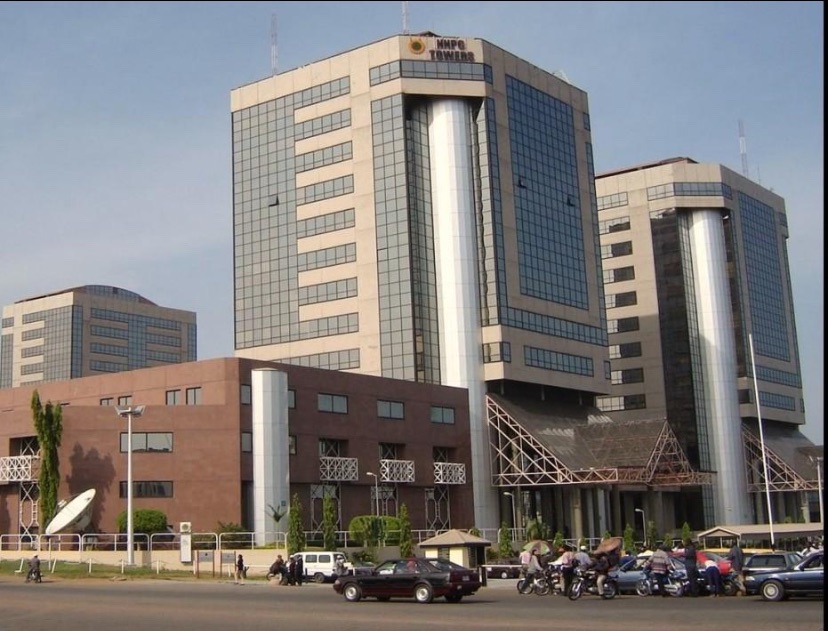

Nigeria’s state-owned oil company, the Nigerian National Petroleum Company Limited (NNPC), recorded a profit after tax of N2.275 trillion during the first six months of 2026, supported by rising global crude oil prices and stronger oil sales.
The impressive financial performance came during a period of uncertainty in the international oil market, as geopolitical tensions in the Middle East pushed crude oil prices higher. The conflict involving the United States and Iran raised concerns over possible disruptions to oil shipments through the Strait of Hormuz, one of the world’s busiest oil trade routes. As oil prices climbed, oil-producing countries like Nigeria benefited from increased export earnings.
Although NNPC’s monthly profits fluctuated throughout the first half of the year, the company ended the period on a strong note. In June alone, it reported a profit after tax of N535 billion, up from N462 billion in May. This represented an increase of 15.8 percent, making June the company’s best-performing month so far in 2026.
The company’s financial reports show that January started positively with a profit of N385 billion. However, earnings dropped sharply to N136 billion in February. Profit improved again in March, reaching N276 billion, before climbing further to N481 billion in April. A slight decline followed in May, but June’s strong recovery pushed total profits for the first half of the year to N2.275 trillion.
The latest results highlight how changes in global oil prices continue to influence the financial performance of Nigeria’s national oil company. Since the country relies heavily on crude oil exports for government revenue and foreign exchange earnings, higher international prices often translate into stronger income for both NNPC and the federal government.
Beyond profitability, NNPC also continued to make significant contributions to government finances. According to its June report, the company paid a total of N6.286 trillion in statutory payments to the Federation between January and June 2026. It also generated N4.389 trillion in total revenue during June alone, reflecting its important role in supporting Nigeria’s public finances.
Despite the strong financial performance, crude oil production experienced a slight decline. Average crude oil and condensate production fell marginally from 1.73 million barrels per day in May to 1.72 million barrels per day in June. NNPC attributed the drop to operational disruptions, equipment maintenance, and technical challenges affecting several oil assets.
The company explained that these challenges were partly offset by increased production following the completion of maintenance work on major facilities, including the Assa-Rumuekpe project and the 28-inch Trans Niger Pipeline.
While production dipped slightly, crude oil sales increased significantly. NNPC sold 28.23 million barrels of crude oil and condensates in June, compared to 18.95 million barrels in May. This represented an increase of nearly 49 percent, showing stronger market demand and improved sales performance.
The company also reported growth in its gas business. Gas production rose from 7,774 million standard cubic feet per day in May to 7,841 million standard cubic feet per day in June. Gas sales also improved, increasing to 4,970 million standard cubic feet per day, compared to 4,921 million in the previous month.
NNPC has been releasing monthly financial and operational reports since April 2025 as part of efforts to improve transparency and accountability. These reports now serve as an important source of information for tracking the company’s financial health and operational performance.
Looking ahead, the company’s ability to maintain strong profits will depend on global oil prices, stable production levels, and continued improvements in operational efficiency. While international market conditions remain uncertain, NNPC’s first-half performance demonstrates how favourable oil prices can significantly strengthen Nigeria’s energy sector and government revenue.