
The Nigerian Association of Chambers of Commerce, Industry, Mines and Agriculture (NACCIMA) has opened applications for a new $150 million Offshore Expansion Facility aimed at helping Nigerian businesses grow, modernise their operations, and gain access to affordable long-term funding.
The initiative, announced on Sunday, was developed in partnership with German banking group ODDO BHF SE. It is designed to provide qualified Nigerian companies with loans at single-digit interest rates, making it easier for businesses to invest in expansion without the burden of high borrowing costs.
Applications are now open through a newly launched digital portal, which was introduced during the Infrastructure Conference 2026 held at the Afrexim Tower in Abuja.
According to NACCIMA, the programme is expected to improve access to international capital while strengthening Nigeria’s private sector by supporting businesses with strong growth potential.
The association explained that the digital platform represents a major step in attracting foreign direct investment into Nigerian companies. It allows businesses to apply for funding online through a secure system built with bank-grade encryption to protect applicants’ financial information.
The platform was jointly unveiled by the Chairman of the Joint NACCIMA-ODDO BHF Working Group Committee and former Managing Director of the Bank of Industry, Waheed Olagunju, alongside NACCIMA’s Digital Economy Coordinator, Segun Olugbile.
Speaking during the launch, Olagunju described the initiative as a transparent investment programme that will encourage greater confidence among international investors while giving Nigerian businesses access to long-term capital.
He explained that eligible businesses can apply for financing starting from $10 million, provided they meet the programme’s financial and environmental requirements.
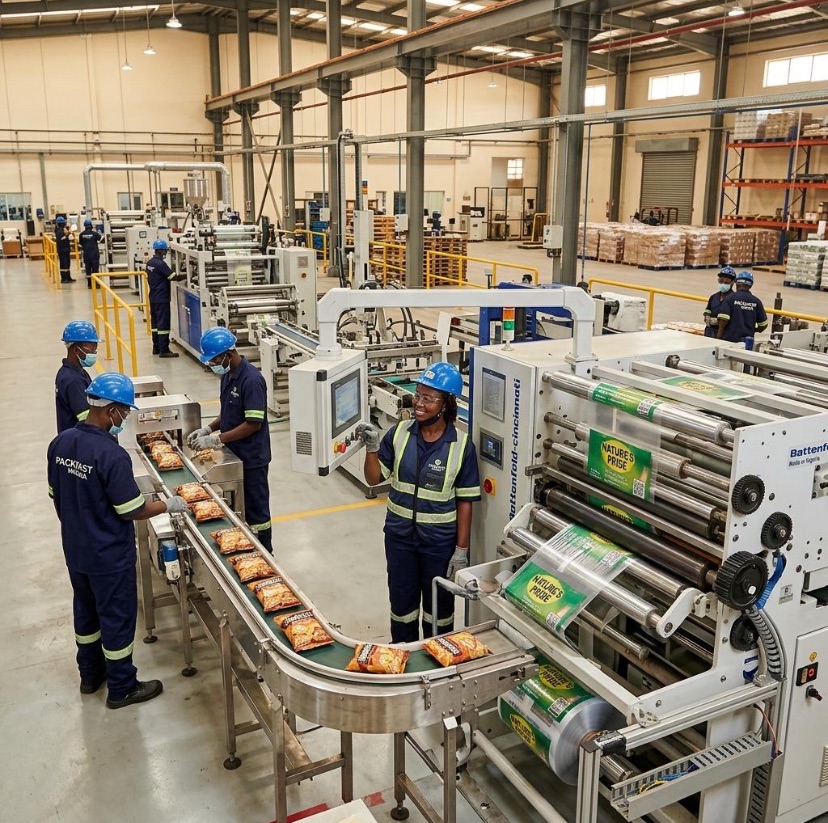
According to him, the funding will help Nigerian companies purchase modern European machinery, equipment, and technology needed to increase production, improve efficiency, and compete in international markets.
The financing programme will mainly support businesses operating in sectors such as manufacturing, agro-processing, energy, logistics, transportation, and mineral processing. However, companies involved in defence-related activities will not qualify for the scheme.
NACCIMA also announced that 20 percent of the total funding has been reserved for businesses in the digital economy and information and communication technology (ICT) sector, reflecting the growing importance of technology-driven industries in Nigeria’s economy.
Successful applicants will receive loans with a repayment period of at least seven and a half years, giving businesses enough time to invest and generate returns before completing repayment.
Under the terms of the programme, beneficiaries must use 35 to 50 percent of the funds to purchase approved machinery, equipment, goods, or services from Europe. The remaining funds can be invested in business operations within Nigeria or other approved markets.
To qualify, companies must demonstrate strong financial performance and the ability to repay the loan. Applicants are also required to submit at least three years of audited financial statements, comply with environmental, social, and governance (ESG) standards, and maintain verified membership in recognised private sector organisations such as NACCIMA, the Manufacturers Association of Nigeria (MAN), the Nigerian Association of Small and Medium Enterprises (NASME), or the Nigerian Association of Small Scale Industrialists (NASSI).
NACCIMA said the programme forms part of its broader effort to create reliable international financing opportunities for Nigerian businesses. The association believes that by connecting local companies with long-term foreign capital, more businesses will be able to invest in new technology, increase productivity, create jobs, and compete more effectively in both local and global markets.
The organisation added that the initiative is expected to accelerate industrial growth, encourage technology transfer, and strengthen Nigeria’s manufacturing and business environment for years to come.