
Nigeria’s private sector is showing renewed signs of strength as business activity returns to growth, raising hopes that the country’s economy is gradually recovering from recent challenges. After months of slow performance caused by inflation, high borrowing costs, and exchange rate pressures, companies across agriculture, manufacturing, and services are beginning to report improved business conditions.
Recent economic indicators suggest that stronger consumer demand, better supply chain conditions, and increased business confidence have contributed to the latest expansion. While many businesses still face obstacles, the return to growth is seen as a positive signal for investors, entrepreneurs, and policymakers.
One of the major drivers of the recovery is the agricultural sector. Farming activities have increased in many parts of the country as farmers prepare for new harvests and government-backed agricultural programmes continue to support food production. Better weather conditions in some regions have also helped improve crop output.
Agriculture remains one of Nigeria’s largest employers and contributes significantly to the country’s Gross Domestic Product (GDP). Increased farming activity not only improves food supply but also creates jobs, boosts rural incomes, and supports businesses involved in transportation, processing, and retail.
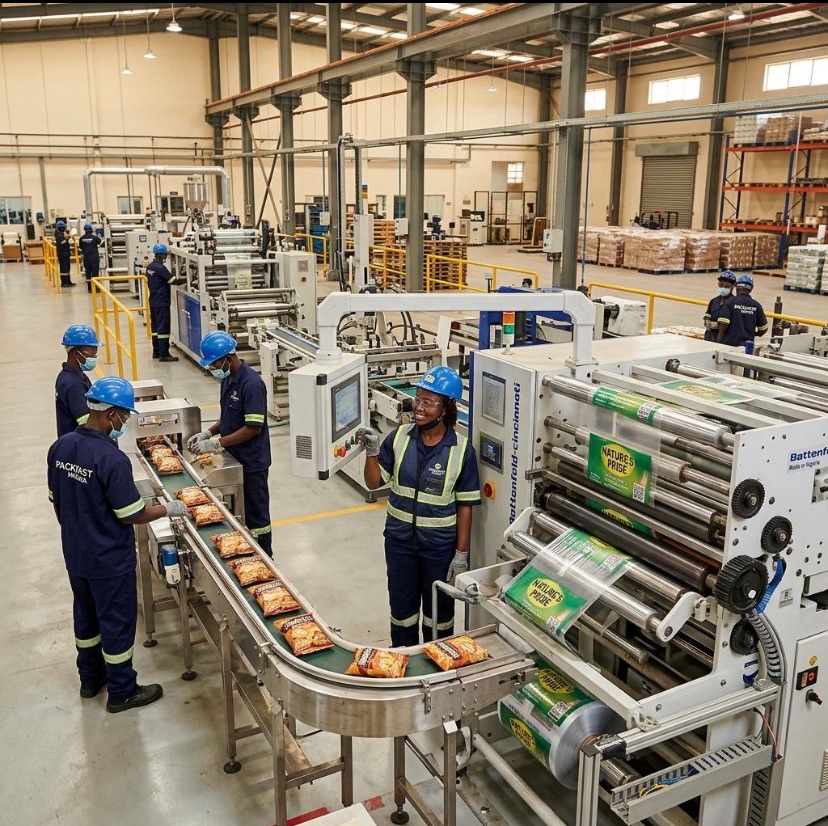
The manufacturing sector has also shown encouraging signs of recovery. Manufacturers are gradually increasing production as demand for locally made products improves. Some companies have invested in expanding production capacity, while others are benefiting from stronger domestic sales.
Although manufacturers continue to deal with high energy costs, expensive raw materials, and foreign exchange challenges, many firms have adapted by sourcing more materials locally and improving operational efficiency. These adjustments have helped reduce production disruptions and support higher output.
The services sector has also played a major role in the recent expansion. Businesses in banking, telecommunications, transportation, hospitality, retail, and professional services have reported stronger customer activity compared to previous months.
Digital services continue to expand rapidly, with more businesses adopting technology to improve customer experience and reduce operating costs. Financial technology companies, logistics providers, and online retailers have also benefited from increasing consumer demand for digital solutions.
Business experts believe improved confidence among consumers and investors is another important reason for the recovery. Although inflation remains a concern, businesses are becoming more optimistic that economic conditions will continue to improve if current reforms are sustained.
Government efforts to improve infrastructure, support local production, encourage investment, and strengthen public finances are also helping create a better business environment. Continued reforms in taxation, energy, and foreign exchange management could further support private sector growth in the coming months.
Economists, however, caution that several risks remain. Rising operating costs, unstable electricity supply, insecurity in some farming communities, and global economic uncertainty could still affect business performance. Small and medium-sized enterprises (SMEs), which make up a large share of Nigeria’s economy, continue to face difficulties accessing affordable financing.
Despite these challenges, the latest improvement in business activity suggests that Nigeria’s economy is gradually regaining momentum. If agriculture continues to produce stronger harvests, manufacturers increase production, and service providers maintain customer growth, the country could experience broader economic expansion during the rest of the year.
For investors and business owners, the renewed growth presents opportunities across multiple sectors. Companies that focus on innovation, efficiency, and local value creation are expected to benefit as Nigeria’s economic recovery gathers pace.