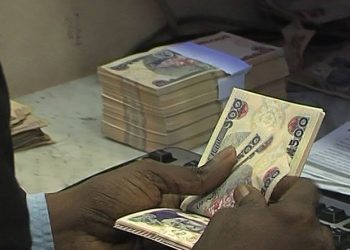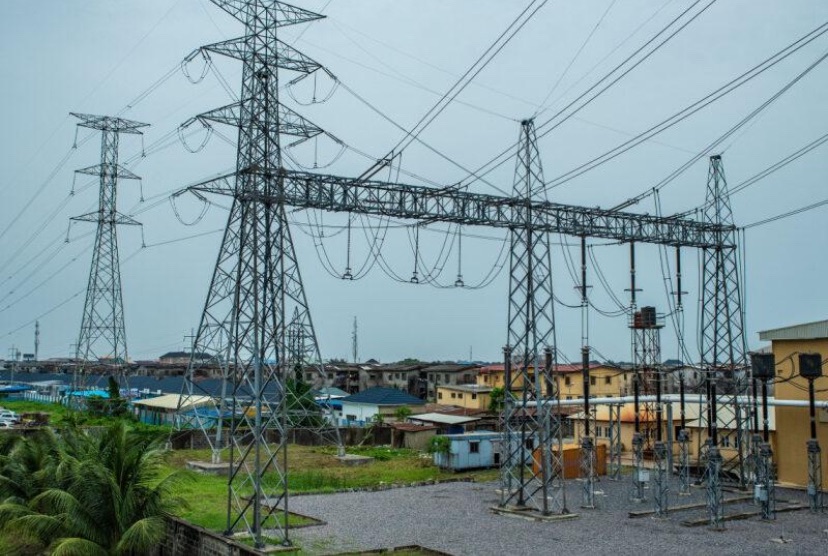

The Federal Government has announced that there are no immediate plans to increase electricity tariffs, saying its main focus is to improve power supply, expand electricity metering across the country, and ensure Nigerians only pay for the electricity they actually use.
Minister of Power, Joseph Tegbe, made this known during a media roundtable on the reform of Nigeria’s power sector held in Lagos. He dismissed reports suggesting that the government was preparing to introduce another electricity tariff increase, assuring Nigerians that improving service delivery remains the top priority.
According to the minister, the current administration is more concerned with providing reliable electricity than raising electricity costs. He explained that the government wants to ensure households and businesses receive better service while eliminating unfair estimated billing through universal metering.
Tegbe said the government is also looking at additional ways to protect vulnerable electricity consumers while ensuring that the Nigerian Electricity Supply Industry remains financially sustainable. He noted that balancing consumer protection with the financial health of the power sector is necessary for long-term growth and investment.
The minister explained that these efforts are part of broader reforms aimed at transforming Nigeria’s electricity industry. The reforms include improving electricity generation, strengthening transmission infrastructure, increasing distribution efficiency, restoring investor confidence, and creating a more stable electricity market.
He added that the implementation of the Electricity Act has opened the door for individual states to develop their own electricity markets based on local economic needs. At the same time, the Federal Government is working on a Power Sector Bond initiative that will help settle long-standing debts owed to electricity generation companies, gas suppliers, and other participants in the industry.
One of the key projects driving the reforms is the Presidential Metering Initiative. Tegbe said the programme is designed to provide electricity meters to more Nigerians, eliminate estimated billing, and make electricity charges more transparent and accurate.
To support this effort, the government has launched the Power Force Initiative, a programme that will employ about 5,000 Nigerian youths to install electricity meters across the country. Besides creating jobs, the initiative will provide technical training through the National Power Training Institute of Nigeria, helping young people develop valuable skills for the energy sector.
The minister also revealed that Nigeria has consistently generated around 5,000 megawatts of electricity over the past two weeks. He attributed this achievement to better coordination among power sector operators, improved performance of power plants, and stronger cooperation throughout the electricity value chain.
Despite this progress, Tegbe stressed that increasing electricity generation alone will not solve the country’s power problems. He explained that lasting improvements require equal attention to electricity generation, transmission, distribution, and prompt payment within the power market.
As part of the government’s long-term strategy, plans are underway to carry out a comprehensive technical audit of the national transmission network. The government also intends to harmonise electricity regulations between the Federal Government and state governments, invest in major transmission corridors including Lagos, Enugu–Port Harcourt, and Abuja–Kaduna–Kano, and implement a Super Grid Programme to strengthen Nigeria’s transmission network.
The minister expressed confidence that Nigerians would begin to experience noticeable improvements in electricity supply within the next few months. Over the next two to three years, he said the reforms are expected to deliver a stronger national grid, reduced technical losses, wider electricity access, improved market discipline, and a more reliable power sector that supports economic growth.