
The Federal Government says it has invested more than N1 trillion in Nigeria’s tertiary education sector over the past two years, as part of an effort to expand infrastructure and remove financial barriers to higher education.
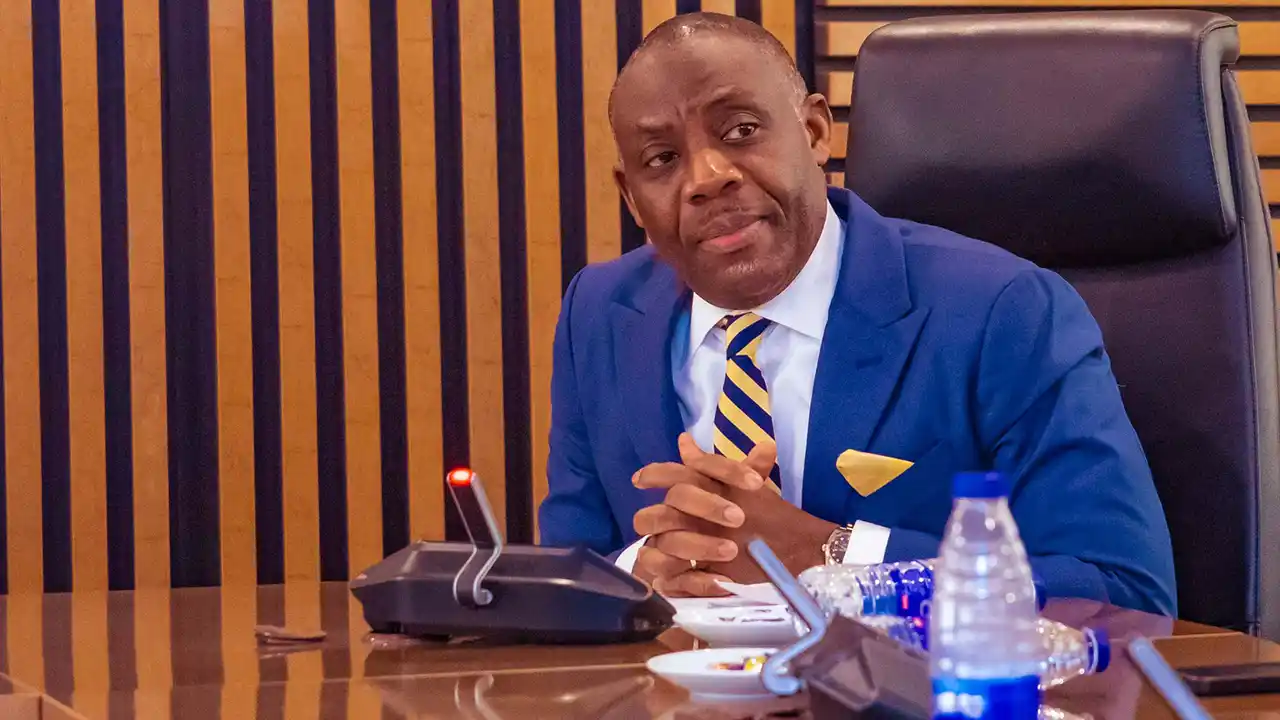
Minister of Education Dr Tunji Alausa disclosed the figure during a meeting with the National Committee for the Advancement of Occupational Therapy, Audiology and Speech and Language Therapy Education, according to a statement issued by his special adviser, Ikharo Attah.
According to the minister, the spending spans new construction, rehabilitation of existing facilities, equipment procurement, and expansion of specialised laboratories across universities, polytechnics and colleges of education. He gave a breakdown of some of the allocations: N250 billion for new student hostels, and over N150 billion for rehabilitating existing hostels, classrooms and engineering workshops.
On medical education, Alausa said more than N130 billion has gone into rehabilitating and expanding medical schools, with N52 billion earmarked for modern equipment across 18 medical schools and nearly N30 billion spent establishing 11 medical simulation laboratories. He added that almost N110 billion has been committed to engineering education, covering workshop construction and equipment for federal universities of technology and polytechnics.
The minister framed the spending as part of the Tinubu administration’s broader push to ensure no qualified Nigerian is kept out of tertiary education by financial hardship, a goal also being pursued through the National Education Loan Fund (NELFUND), which has disbursed over N86 billion in tuition and upkeep loans to more than 450,000 students since inception.
The figures announced align with a pattern of rising education-sector allocations reported elsewhere: Vice President Kashim Shettima said at the 2025 Nigeria Education Forum that federal budgetary allocations to education rose from N1.54 trillion in 2023 to N3.52 trillion in 2025, though that figure spans the sector broadly rather than tertiary institutions alone.
The N1 trillion figure and its component breakdowns are drawn from the minister’s own statement rather than an independently audited report, so the precise scope, whether it reflects disbursed funds or budgeted commitments, remains to be clarified through official Ministry of Education or TETFUND documentation.