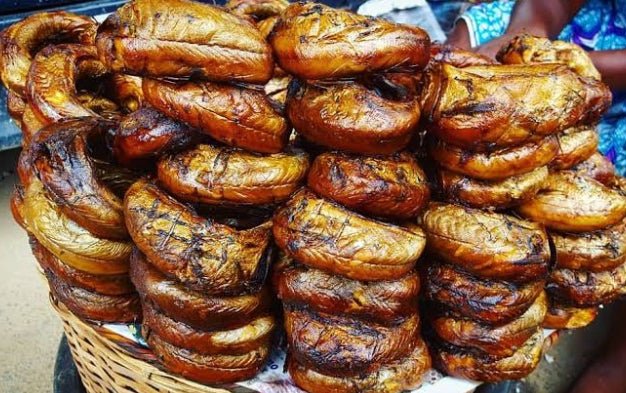

Long before refrigeration became widespread in Nigeria, smoking was the primary method of preserving fish, allowing catches to be transported and sold far from coastal and riverine communities. Today, fish remains a vital source of animal protein for millions of Nigerians, and smoked fish continues to dominate traditional fish processing, supporting livelihoods across fishing settlements from Lagos to the Niger Delta and inland waterways.
Nigeria produces more than one million metric tonnes of fish annually from capture fisheries and aquaculture, according to official estimates. While fresh fish remains widely consumed, smoking accounts for a substantial share of artisanal fish processing because it extends shelf life without refrigeration and reduces post-harvest losses. Women make up the majority of processors in the informal sector, where traditional smoking methods have been passed down through generations.
The conventional process involves suspending fish over smouldering hardwood or other biomass fuels, with smoke helping preserve the product by reducing moisture and inhibiting microbial growth. Although inexpensive and accessible, the method is often fuel-intensive and can produce inconsistent product quality.
Pressure to modernise the industry is growing as Nigeria seeks to improve food safety, reduce losses, and expand export opportunities. Improved smoking technologies, including the FAO-Thiaroye Processing Technique (FTT), consume less fuel, shorten processing time, and significantly reduce harmful contaminants known as polycyclic aromatic hydrocarbons (PAHs), which are produced during incomplete combustion.
Meeting international food safety standards has become increasingly important for processors targeting export markets. The European Union, for example, sets strict limits on Benzo[a]pyrene and other PAHs in smoked fish, making compliance essential for access to regulated markets. Some Nigerian processors have adopted modern kilns and upgraded facilities to serve diaspora and international consumers, but widespread adoption remains constrained by high equipment costs, limited financing, and inadequate technical training.
Despite these challenges, traditional smoking continues to command strong demand in domestic markets, where many consumers prefer its distinctive flavour. This has created a dual market in which artisanal processors largely supply local consumers, while larger commercial operators invest in modern processing technologies to meet export and supermarket requirements.
For millions of Nigerians who depend on fisheries and fish processing for income, the industry’s future will depend on balancing tradition with innovation. Expanding access to affordable processing technology, finance, extension services, and cold-chain infrastructure could help reduce post-harvest losses, improve food safety, and strengthen the competitiveness of Nigeria’s fish industry both at home and abroad.