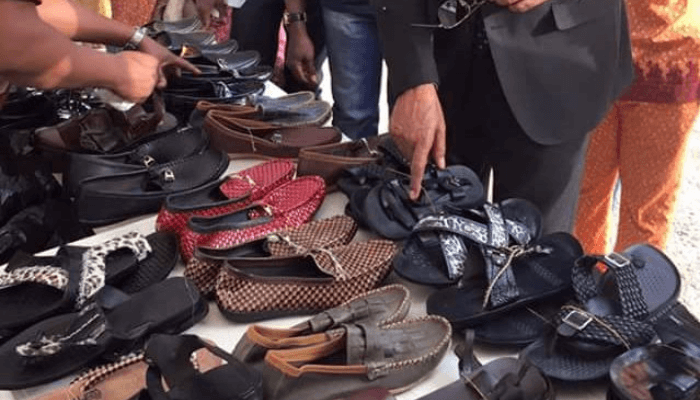

Aba, the commercial hub of Abia State, has emerged as one of Nigeria’s most significant manufacturing centres, with its footwear, garment and leather clusters serving as a model of indigenous industrialisation. Built largely by small-scale entrepreneurs rather than large corporations, the city’s informal manufacturing ecosystem has become a major source of employment, non-oil economic activity and locally made consumer goods.
The “Made-in-Aba” brand is anchored by production clusters around Ariaria International Market, Bakassi, Shoe Plaza, Garment Village and the Power Line axis. Thousands of artisans and family-owned workshops manufacture footwear, leather products, uniforms and fashion apparel for markets across Nigeria, with many products also reaching neighbouring West and Central African countries through formal and informal trade channels.
The industry’s roots date back to the early 1970s, when local entrepreneurs began producing affordable footwear using simple tools and locally sourced materials. The establishment of Ariaria International Market after the destruction of the old Ekeoha Market in 1976 accelerated the growth of specialised manufacturing clusters.
Although official data are limited because many businesses operate informally, industry estimates suggest Aba produces about 48 million pairs of shoes annually, with the footwear segment valued at between ₦120 billion and ₦130 billion. The cluster is widely believed to account for more than half of Nigeria’s locally manufactured footwear, while supporting tens of thousands of jobs across production, trading, logistics and related services.
Despite its resilience, the sector faces persistent challenges, including unreliable electricity, poor road infrastructure, limited access to affordable finance, outdated machinery and intense competition from imported products. The informal status of many businesses also restricts access to bank credit, government support programmes and international supply chains.
Recent reforms under the Abia State Government have sought to strengthen the ecosystem through the “Proudly Made-in-Aba” initiative, rehabilitation of Ariaria and Ekeoha markets, and the revival of the Enyimba Automated Shoe Company and Enyimba Garments Factory with modern production equipment. Skills development has also received a boost through the Fashion Future Programme, implemented in partnership with the Mastercard Foundation and private-sector stakeholders, while some financial institutions are expanding credit access by assessing artisans’ transaction histories instead of relying solely on conventional collateral.
Industry stakeholders say sustained investment in infrastructure, quality standards, technology, intellectual property protection and export promotion could position Made-in-Aba to benefit from opportunities under the African Continental Free Trade Area (AfCFTA).
Beyond Abia State, the success of the cluster highlights the role of indigenous entrepreneurship and small businesses in driving industrialisation, creating jobs and supporting Nigeria’s efforts to diversify its economy beyond oil. As formalisation and infrastructure improvements continue, Made-in-Aba is increasingly viewed as one of the country’s strongest examples of homegrown manufacturing potential.