
Nigeria’s housing affordability crisis is deepening as the cost of building materials continues to climb, forcing developers, contractors and prospective homeowners to contend with significantly higher construction expenses.
Industry participants attribute the sustained rise in construction costs to persistent inflation, exchange-rate volatility, elevated energy prices and higher transportation costs, all of which have increased the cost of producing and distributing key building materials.
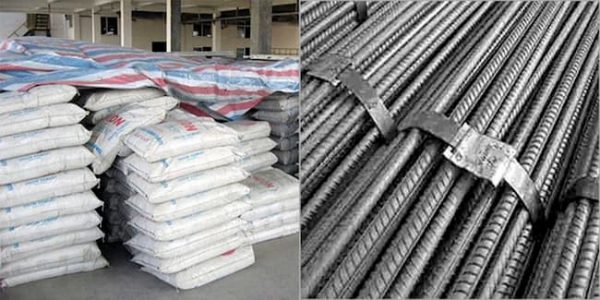
Cement, the country’s most widely used construction material, remains a major cost driver. As of July 2026, a 50-kilogram bag sells for between ₦12,000 and ₦15,000 in many parts of the country, although prices vary by location. Despite Nigeria being Africa’s largest cement producer, manufacturers continue to face higher production costs driven by expensive energy, foreign exchange pressures on imported equipment and spare parts, and rising logistics expenses.
Steel reinforcement prices have also remained elevated. Industry sources say reinforcement bars can cost between ₦1 million and more than ₦1.3 million per tonne, depending on the product specification and market location. Higher input costs, exchange-rate pressures and increased manufacturing expenses have contributed to the sustained price increases.
Other essential construction materials, including roofing sheets, timber, blocks, binding wire, electrical fittings and plumbing materials, have also recorded notable price increases. Labour costs have risen as contractors pay more to retain skilled artisans, further increasing overall project costs.
The impact is being felt across the housing value chain. Developers are revising property prices to reflect higher construction costs, contractors are renegotiating project budgets, and many prospective homeowners are delaying or scaling back building plans. The situation comes as Nigeria continues to grapple with an estimated housing deficit of more than 20 million units, according to government and industry estimates.
The Federal Government has acknowledged the pressure on the construction sector. In June 2026, Minister of Works David Umahi called on cement manufacturers to moderate prices, arguing that lower cement costs would help reduce the cost of public infrastructure projects and improve housing affordability. The appeal formed part of the government’s broader engagement with industry stakeholders on construction costs.
Construction professionals say careful project planning has become increasingly important in the current environment. Quantity surveyors advise developers and individuals planning to build to obtain multiple supplier quotations, include adequate contingency provisions in project budgets and secure material prices early where feasible to reduce exposure to market volatility.
Analysts say a sustained decline in building material prices will depend largely on broader macroeconomic improvements, including lower inflation, greater exchange-rate stability, reduced energy and logistics costs, and stronger domestic industrial productivity. Until those conditions improve, elevated construction costs are expected to remain a significant obstacle to affordable housing development in Nigeria.