
Nigeria’s push to improve the business climate at the state level is beginning to deliver tangible economic results, with reform-oriented states attracting stronger investor interest while significantly increasing spending on agriculture to drive long-term growth.
The latest Subnational Ease of Doing Business ranking released by the Presidential Enabling Business Environment Council (PEBEC) highlights a growing divide between states embracing structural reforms and those lagging behind. The assessment, unveiled during the Reform and Diplomatic Roundtable in Abuja, evaluated all 36 states and the Federal Capital Territory across 16 indicators, including electricity access, infrastructure, land administration, taxation, regulatory efficiency, and judicial services.
Lagos retained its position as Nigeria’s leading investment destination with a score of 85.6%, followed by Kaduna, Oyo, the Federal Capital Territory, Ogun, Enugu, Plateau, Ekiti, Kano, and Nasarawa.
According to PEBEC Director-General Princess Zahrah Mustapha Audu, reform-focused states have reduced business registration timelines by as much as 40% while improving land administration efficiency by more than 30%, making them increasingly attractive to both domestic and international investors.
She noted that the reforms are creating a more transparent and predictable business environment, an important consideration for investors assessing long-term opportunities.
The Nigeria Investment Outlook 2026 also identified the top-performing states as emerging investment gateways, citing faster regulatory approvals, digital government services, stronger investor engagement, improved permit systems, and enhanced aftercare support. Investors from the United States, United Kingdom, Germany, China, and the United Arab Emirates are reportedly showing growing interest, particularly in agriculture, manufacturing, food processing, and other real-sector investments.
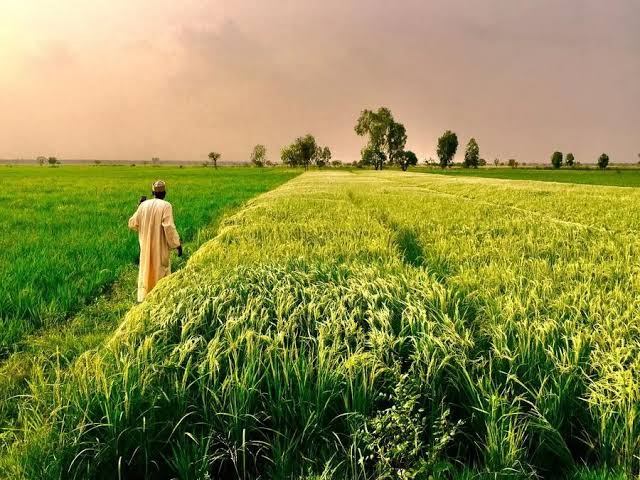
Beyond improving the business climate, several states are deploying record budget allocations to modernize agriculture and strengthen food security.
Kaduna State has announced one of the country’s most ambitious agricultural spending plans, increasing sector funding from ₦1.4 billion in 2023 to ₦108.38 billion in its 2026 budget, representing more than 10% of total state expenditure. Nearly all the allocation is earmarked for capital projects, including irrigation infrastructure, farm mechanization, grain storage facilities, and rural roads designed to improve market access for farmers.
The state has also allocated ₦23.87 billion to rehabilitate rural roads while providing ₦100 million to each of its 255 wards under a participatory budgeting initiative aimed at supporting community-driven development.
Niger State has similarly prioritized agriculture in its ₦1.31 trillion “Budget of Consolidation,” allocating ₦59.2 billion to the sector alongside a ₦2 billion agricultural credit scheme targeted at women farmers. Planned investments include fertilizer distribution, abattoir development, and the establishment of an Agricultural Cooperative Agency.
Jigawa State is positioning itself as a major livestock feed exporter through a proposed 100,000-hectare premium alfalfa project, expected to produce two million metric tonnes annually and generate more than 100,000 jobs. The Federal Government has also pledged support to modernize the Maigatari International Livestock Market into a regional processing and export hub.
Meanwhile, Benue State continues efforts to reinforce its reputation as Nigeria’s “Food Basket of the Nation” through subsidized fertilizer distribution, while the commissioning of the Benfruit Concentrate Plant is expected to stimulate agro-processing, industrialization, and employment. Kano and Jigawa also remain Nigeria’s leading wheat-producing states, with output expanding into Borno and Adamawa as security conditions improve.
Despite the progress, significant challenges remain. Rising food prices in parts of the country, climate-related pressures affecting wheat yields, and infrastructure deficits continue to weigh on agricultural productivity. PEBEC stressed that reforms alone will not be sufficient unless states translate policy improvements into bankable investment opportunities capable of attracting sustained private capital.
The council also encouraged investors to consider regional investment corridors rather than individual states, arguing that coordinated development across neighboring states could unlock larger-scale economic opportunities and accelerate Nigeria’s diversification agenda.