
As economic uncertainty continues to influence investment decisions, more Nigerians are turning to Treasury Bills (T-Bills) as one of the safest ways to protect their money while earning steady returns. Financial experts say rising interest in government-backed securities reflects a shift by both individual and institutional investors away from riskier investment options.
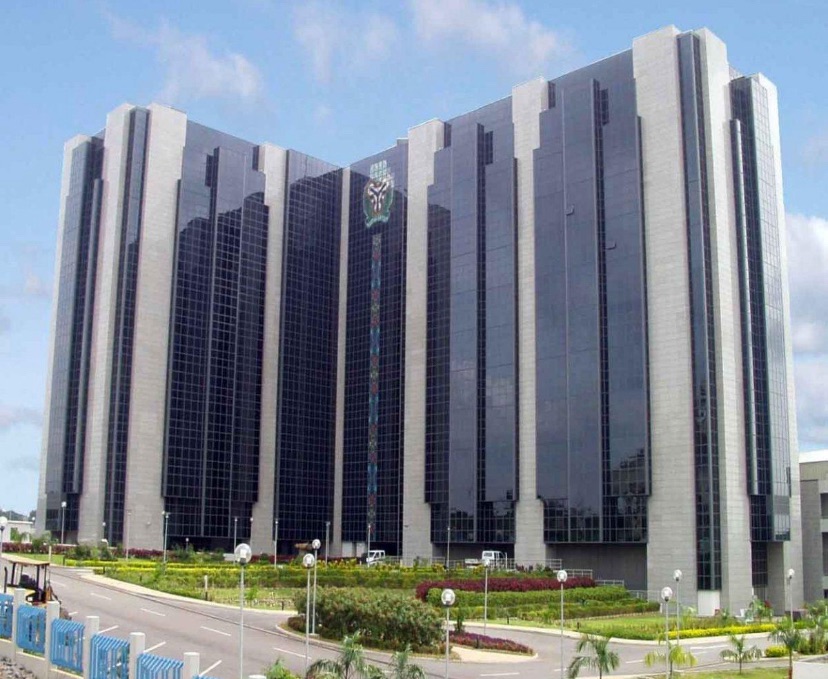
Treasury Bills are short-term debt instruments issued by the Central Bank of Nigeria (CBN) on behalf of the Federal Government. They are sold with maturities of 91 days, 182 days and 364 days, making them attractive to investors seeking relatively quick returns with minimal risk. Because they are backed by the Federal Government, Treasury Bills are widely regarded as one of the safest investments available in Nigeria.
Market analysts say demand has increased significantly in recent months as investors respond to attractive yields and tighter monetary conditions. The CBN recently announced plans to auction about ₦5.8 trillion worth of Treasury Bills between July and September 2026, highlighting the growing importance of the market in managing liquidity and financing government operations.
According to investment professionals, many Nigerians are choosing Treasury Bills because they provide predictable returns without exposing investors to the volatility often seen in equities, cryptocurrencies and foreign exchange markets. Rising awareness of investment opportunities through banks, fintech platforms and licensed investment firms has also encouraged more retail participation.
Although large institutional investors buy Treasury Bills directly at CBN auctions, retail investors can also participate through commercial banks and licensed investment firms. Many financial institutions now allow customers to invest with amounts far below the official primary auction minimum by pooling customer funds, making Treasury Bills accessible to ordinary savers.
Experts note that Treasury Bills are particularly attractive for people saving towards short-term goals such as school fees, business expansion, property purchases or emergency funds. Since the investment has a fixed maturity date, investors know exactly when they will receive their money back along with the agreed return.
Financial advisers also believe the increased appetite for Treasury Bills reflects improving financial literacy. More Nigerians are becoming aware of the importance of diversifying their investments instead of keeping large sums in ordinary savings accounts that often generate lower returns.
However, analysts warn that Treasury Bills may not always provide the highest returns when inflation rises sharply. If inflation exceeds the investment yield, the real value of investors’ earnings could decline. For this reason, experts recommend that investors combine Treasury Bills with other long-term investment options such as government bonds, mutual funds and carefully selected equities to build balanced portfolios.
The growing demand for Treasury Bills also benefits the Federal Government by providing an important source of short-term financing while helping the CBN regulate money supply in the economy. Strong investor participation enables the monetary authorities to conduct regular auctions successfully and maintain stability in the financial system.
With interest in low-risk investments continuing to grow, financial analysts expect Treasury Bills to remain one of Nigeria’s most popular investment products throughout the rest of 2026. As more Nigerians seek secure ways to preserve wealth and earn stable returns, the market is likely to attract even broader participation from retail investors.