
Stakeholders in Nigeria’s electricity sector have called for greater investment in mini-grids, describing them as one of the fastest and most effective ways to improve power supply, especially in communities that remain underserved by the national grid.
The recommendation was made during the 16th Distinguished Electrical and Electronic Engineering Award Laureate organised by the Nigeria Institute of Electrical and Electronic Engineers (NIEEE) in Lagos.
The event focused on how distributed electricity generation and interconnected mini-grids can help provide stable, reliable and affordable electricity across Nigeria and other parts of Sub-Saharan Africa.
Speaking at the event, the Minister of Power, Joseph Tegbe, represented by the Director of Renewable and Rural Power Access at the Federal Ministry of Power, Sunday Owolabi, said the future of electricity generation is changing.
According to him, relying only on large power plants is no longer enough because they take years to complete, face operational challenges and often experience energy losses during transmission.
Instead, he said mini-grids offer a practical solution by allowing communities to generate and distribute electricity closer to where it is needed.
He explained that mini-grids can work alongside the national electricity grid, helping communities generate, share and manage power more efficiently while reducing pressure on the country’s central power system.
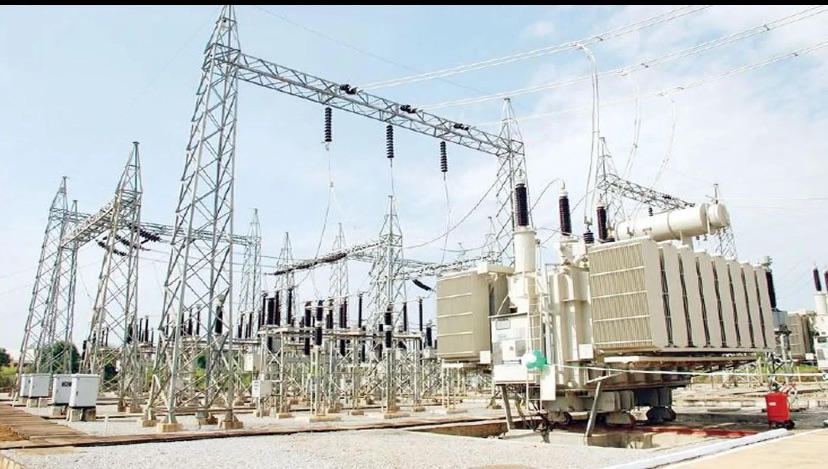
The minister noted that the Federal Government is already working to strengthen the electricity network by constructing new 330kV and 132kV transmission lines, expanding substations and modernising grid infrastructure.
He added that these projects are designed to improve the reliability, stability and resilience of Nigeria’s electricity supply while supporting the country’s transition to cleaner energy sources.
According to Tegbe, the government is also encouraging the adoption of renewable energy, smart grid technologies, digital monitoring systems and local manufacturing to build a stronger and more sustainable electricity sector.
He said technological innovations such as artificial intelligence, energy storage systems, cybersecurity, smart grids and advanced transmission technologies will play a major role in meeting Nigeria’s growing electricity demand.
The minister encouraged Nigerian engineers to continue developing home-grown solutions that address the country’s unique energy challenges rather than relying entirely on imported technologies.
He stressed that research, innovation and collaboration between universities, professional bodies, government agencies and private companies are essential for improving electricity access nationwide.
Tegbe also acknowledged that government efforts alone cannot transform Nigeria’s power sector.
He said meaningful progress will require partnerships with private investors, development organisations, engineering professionals and academic institutions working together to expand electricity access.
Addressing young engineers, he urged them to embrace continuous learning, professionalism and innovation, noting that the future of Nigeria’s electricity industry depends largely on their creativity and technical expertise.
He reaffirmed the Federal Government’s commitment to expanding investments, implementing policy reforms and encouraging private sector participation to improve electricity generation, transmission and distribution across the country.
Earlier at the event, guest lecturer Isaac Agoro described mini-grids as a vital part of Africa’s electrification strategy.
He explained that many rural communities are unlikely to receive electricity quickly through traditional grid expansion alone, making mini-grids a more practical and cost-effective solution for closing the energy access gap.
Also speaking, NIEEE President Felix Adegboye said Nigeria’s electricity industry is entering a new phase following the implementation of the Electricity Act, which has opened the sector to more localised electricity solutions.
He noted that while decentralisation presents new opportunities, careful planning, stronger infrastructure and improved collaboration will be needed to ensure mini-grids integrate successfully with the national grid.
Industry stakeholders believe wider adoption of mini-grids could help deliver more reliable electricity, support businesses, improve living standards and accelerate Nigeria’s economic growth, especially in communities that have long remained without dependa