
Nigeria’s natural rubber industry, once a cornerstone of the country’s agricultural export economy, is striving to regain lost ground as policymakers and producers seek to transform the sector into a major source of non-oil export earnings. Despite decades of decline driven by aging plantations, inadequate investment and infrastructure constraints, industry stakeholders believe renewed replanting efforts and improved processing could restore the sector’s competitiveness.
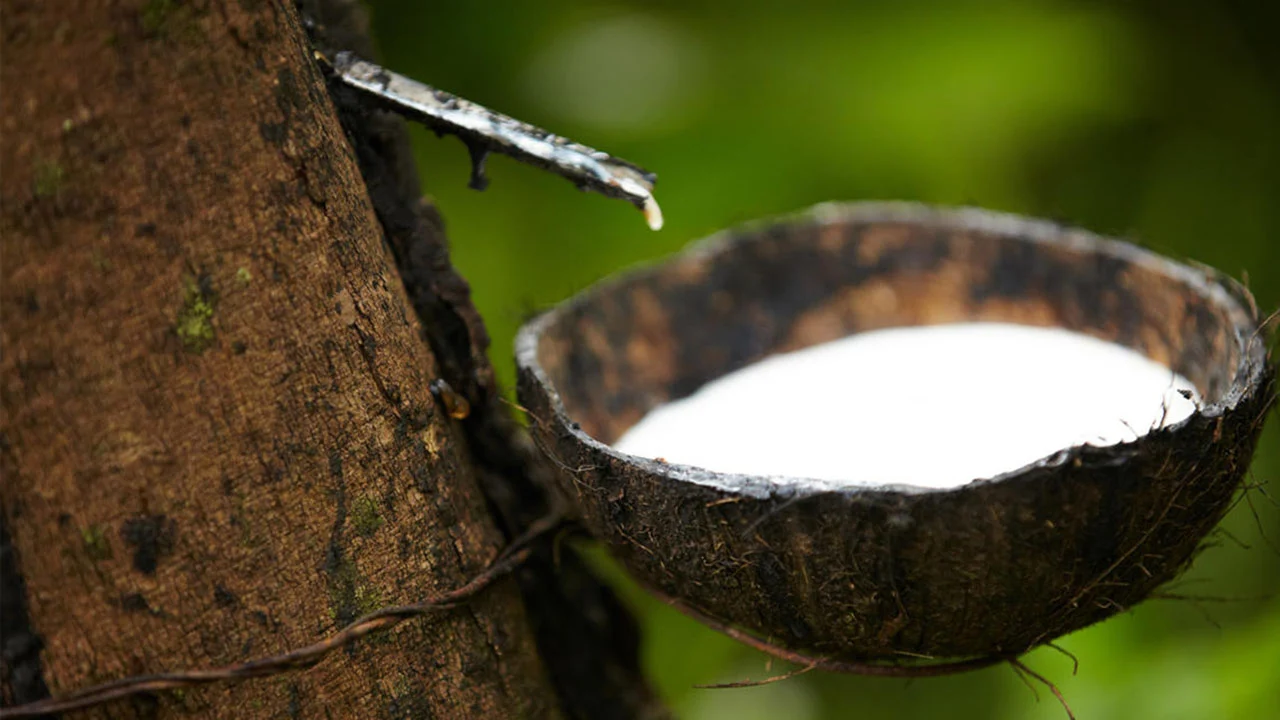
Commercial rubber cultivation began in Nigeria in the early 20th century following the introduction of Hevea brasiliensis, the tropical tree that produces natural latex. Over time, the country’s humid southern belt—including Edo, Delta, Cross River, Ogun, Abia and Rivers states—developed into the centre of rubber production, with Edo State emerging as the industry’s largest hub.
The sector is supported by both large commercial estates and thousands of smallholder farmers who manually tap latex before selling it to processing companies. The latex is processed into products such as ribbed smoked sheets (RSS), technically specified rubber (TSR) and crumb rubber, which serve international buyers as well as domestic manufacturers producing tyres, footwear, gloves and other industrial rubber products.
Nigeria’s rubber industry once supported a broader manufacturing ecosystem, including tyre production, but years of underinvestment have reduced its contribution to the economy. Analysts say many plantations now consist of trees well beyond their peak productive years, resulting in declining yields and lower farmer incomes.
Infrastructure deficiencies have compounded these challenges. Poor rural roads increase transportation costs between plantations and processing facilities, while inconsistent electricity supply raises operating expenses for processors. Industry participants also cite cross-border smuggling of raw latex to neighbouring countries offering higher prices, depriving local processors of critical raw materials and reducing potential export value.
International market conditions have added another layer of uncertainty. Natural rubber prices remain vulnerable to fluctuations in global demand, particularly from the automotive industry, where tyre manufacturing accounts for the largest share of consumption. Competition from leading producers such as Thailand, Indonesia and Côte d’Ivoire has further pressured Nigeria’s position in global markets.
Nevertheless, there are signs of recovery. The Rubber Research Institute of Nigeria (RRIN) has continued to promote improved rubber clones that offer higher latex yields, faster maturity and greater disease resistance. Several state governments have also encouraged plantation rehabilitation and replanting programmes aimed at replacing aging trees with more productive varieties.
For Africa’s largest economy, revitalising the rubber industry aligns with broader efforts to diversify export revenue beyond crude oil. A stronger rubber value chain could create rural employment, attract investment in processing industries and increase foreign exchange earnings through higher-value exports.
While substantial investment, improved infrastructure and stronger policy support will be required, industry experts say Nigeria possesses the land, climate and technical expertise needed to rebuild one of its oldest commercial agricultural industries into a more competitive player in the global natural rubber market.