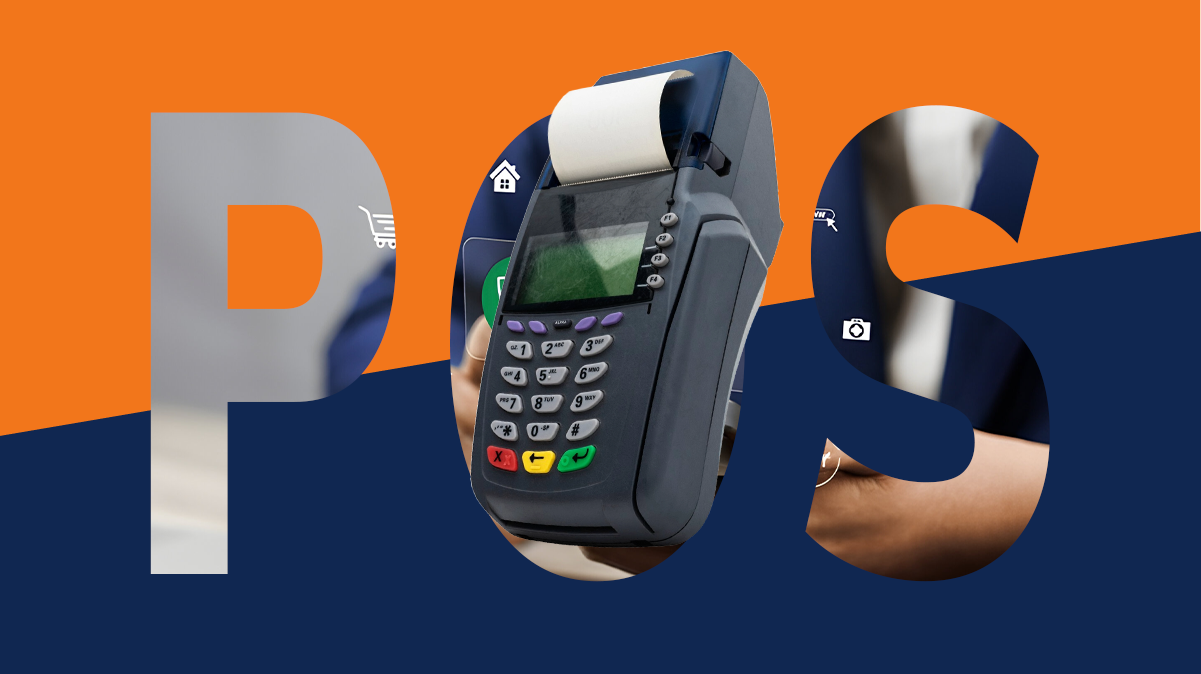

Nigeria’s point-of-sale (POS) industry is entering a stricter regulatory phase as the Corporate Affairs Commission (CAC) and the Central Bank of Nigeria (CBN) implement new measures aimed at strengthening oversight of the country’s fast-growing agent banking sector.
The reforms are designed to improve accountability, enhance consumer protection and reinforce confidence in digital financial services, as agency banking continues to expand access to financial services in communities with limited banking infrastructure.
A key requirement is the mandatory registration of all POS operators with the Corporate Affairs Commission. Under the directive, operators must register their businesses before offering agency banking services, while the CAC has warned that unregistered operators risk enforcement action.
The Commission has also cautioned financial technology companies against onboarding unregistered agents, saying such practices violate provisions of the Companies and Allied Matters Act (CAMA) 2020 and existing regulatory requirements governing agency banking.
Alongside the CAC’s enforcement drive, the Central Bank has introduced revised Agent Banking Guidelines aimed at strengthening oversight of agents and the financial institutions that engage them.
Under the new framework, each POS agent is permitted to operate under only one licensed financial institution, ending the practice of using multiple providers simultaneously. The CBN said the measure is intended to improve accountability and strengthen supervision across the agent banking network.
The regulator has also introduced geo-fencing requirements that require every POS terminal to be linked to a registered business location. Following consultations with industry stakeholders, implementation of the policy was extended to August 1, 2026, giving operators additional time to comply.
The new rules are expected to increase compliance obligations for operators, who must now meet business registration requirements alongside existing operational standards before providing agency banking services.
Industry participants say the tighter regulations could lead to greater consolidation within the sector as operators adjust to the new compliance framework. While the changes may increase operating costs for some businesses in the short term, they are expected to improve transparency and strengthen confidence in Nigeria’s digital payments ecosystem over the longer term.
Agency banking has become an important component of Nigeria’s financial system, providing cash withdrawal, deposit and payment services to millions of customers, particularly in areas where access to conventional bank branches remains limited.
The latest reforms underscore regulators’ efforts to ensure that the sector’s rapid expansion is accompanied by stronger governance, clearer accountability and improved consumer safeguards, signalling a shift toward a more closely supervised agent banking industry.