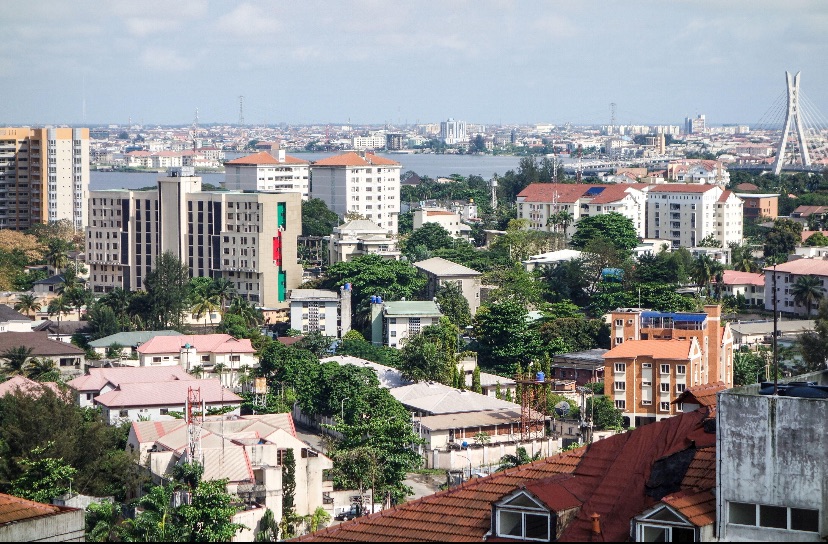

Nigeria’s major cities are facing a growing housing affordability crisis as the cost of buying and renting homes continues to rise faster than many people’s incomes. Cities such as Lagos, Abuja, Port Harcourt, and Kano have recorded sharp increases in property prices and house rents, making decent accommodation more difficult for millions of residents.
The rising cost of housing has become a major concern for workers, business owners, students, and young families. Many people now spend a significant part of their monthly income on rent, leaving less money for food, transportation, healthcare, education, and savings. For low- and middle-income earners, finding affordable housing in prime locations has become increasingly difficult.
Industry experts say several factors are contributing to the problem. Inflation has pushed up the prices of construction materials such as cement, steel, roofing sheets, and electrical fittings. The depreciation of the naira has also increased the cost of imported building materials, making new housing projects more expensive to complete.
Another challenge is the shortage of affordable homes. Nigeria’s growing urban population continues to increase the demand for housing, while the supply of new residential properties has not kept pace. As more people move to cities in search of jobs and better opportunities, landlords are responding by increasing rents because demand remains high.
Higher interest rates have also made it more difficult for individuals to finance home purchases. Mortgage loans remain out of reach for many Nigerians due to high borrowing costs, strict lending conditions, and limited access to long-term housing finance. As a result, many families continue to depend on rental accommodation for years.
The housing crisis is also affecting businesses. Employers in major cities are finding it harder to attract and retain workers because of the high cost of living. Some employees now travel long distances to work from more affordable communities, increasing transportation costs and reducing productivity. Businesses are also paying higher operational costs as commercial property rents continue to rise.
Real estate developers acknowledge that demand for housing remains strong, but they also face rising construction expenses. Higher energy costs, expensive building materials, and infrastructure challenges have slowed the delivery of affordable housing projects. Many developers are now focusing on luxury housing, where profit margins are generally higher than in low-cost housing developments.
The Federal Government and several state governments have announced housing initiatives aimed at reducing the country’s housing deficit. These include public-private partnerships, affordable housing schemes, and efforts to improve access to mortgage financing. However, experts believe more investment, better infrastructure, and supportive policies will be needed to make a significant impact.
Economists say solving Nigeria’s housing affordability challenge will require collaboration between government agencies, financial institutions, developers, and private investors. Expanding access to affordable mortgages, reducing construction costs, and increasing the supply of low-cost housing could help improve the situation over time.
Despite the current challenges, the Nigerian real estate sector continues to offer long-term growth opportunities due to rapid urbanisation and population growth. However, ensuring that ordinary Nigerians can access safe and affordable housing will remain one of the country’s most important economic and social priorities in the years ahead.