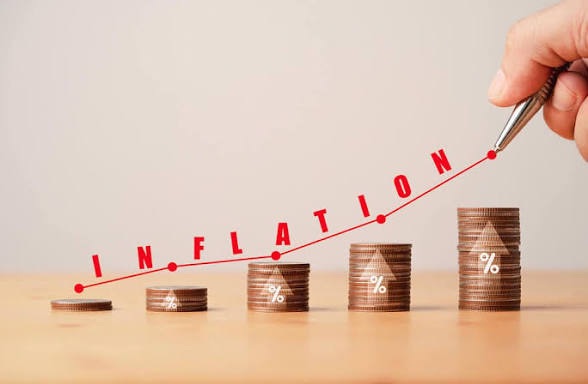

Inflation remains one of the biggest challenges facing businesses around the world. It occurs when the general prices of goods and services continue to rise over time, reducing the purchasing power of both consumers and companies. While moderate inflation is considered normal in a growing economy, high inflation can create serious financial pressure for businesses of all sizes.
One of the biggest effects of inflation is the rising cost of doing business. Companies often pay more for raw materials, fuel, electricity, transportation, rent, and other essential expenses. Manufacturers may see production costs increase, while retailers may pay more to stock their shelves. As operating costs continue to climb, businesses are forced to make difficult financial decisions.
Many companies respond by increasing the prices of their products and services. However, raising prices is not always easy. Customers facing higher living costs may reduce spending or look for cheaper alternatives. This can lead to lower sales, especially for businesses that sell non-essential goods and services.
Small businesses are often hit the hardest by inflation because they usually have fewer financial resources than larger companies. Unlike major corporations, smaller firms may struggle to negotiate lower prices with suppliers or absorb rising costs without affecting their profits. As a result, many small business owners must carefully manage expenses to remain competitive.
Inflation also affects employee wages. As the cost of living rises, workers often seek higher salaries to maintain their standard of living. Businesses may face pressure to increase wages to attract and retain skilled employees. While higher wages benefit workers, they also increase labour costs for employers, adding another financial challenge.
Another major impact of inflation is higher interest rates. Central banks often raise interest rates to slow inflation by reducing spending in the economy. While this can help control rising prices, it also makes borrowing more expensive. Businesses looking for loans to expand, purchase equipment, or invest in new projects may delay their plans because financing becomes more costly.
Supply chains can also be affected during periods of high inflation. Increased transportation costs, rising fuel prices, and higher production expenses can delay deliveries and reduce product availability. Businesses may face shortages or longer waiting times for important materials, making it more difficult to meet customer demand.
Despite these challenges, some businesses are able to benefit from inflation. Companies that produce essential goods, such as food, healthcare products, and basic household items, often continue to experience steady demand because consumers still need these products regardless of economic conditions. Businesses with strong pricing power may also pass increased costs on to customers without significantly affecting sales.
To manage inflation, many businesses focus on improving efficiency and controlling costs. They may adopt new technology, reduce waste, negotiate better deals with suppliers, or streamline operations to maintain profitability. Some companies also diversify their suppliers to reduce the risk of unexpected cost increases or supply disruptions.
Financial planning becomes even more important during inflationary periods. Business owners closely monitor cash flow, review budgets regularly, and adjust pricing strategies to respond quickly to changing market conditions. Careful planning helps businesses remain stable even when economic uncertainty continues.
Economists believe inflation will continue to influence business decisions as global markets adjust to changing economic conditions. Companies that remain flexible, invest wisely, and adapt to rising costs are generally better positioned to overcome inflationary pressures.
Although inflation creates significant challenges, it also encourages businesses to become more innovative and efficient. By managing costs, improving productivity, and responding to changing consumer behaviour, businesses can continue to grow while navigating one of the economy’s most persistent financial pressures.