
The Manufacturers Association of Nigeria (MAN) predicts that Nigeria’s headline inflation will slow to 14 percent in 2026, helped by softer food costs, steadier energy prices, and a stronger naira.
Dr. Oluwasegun Osidipe, Director of Research and Economic Policy at MAN, announced these forecasts during the 2025 MAN Think Tank Session in Lagos. He emphasized: “Headline Inflation will decelerate further to 14 per cent, supported by easing food prices, stable energy prices and appreciation of the naira.”
In tandem, MAN foresees a drop in Nigeria’s benchmark interest rate–the Monetary Policy Rate (MPR) to 23 percent in 2026. This move is expected to stimulate credit flow, boost production, and ease borrowing costs.
“The Central Bank of Nigeria (CBN) is anticipated to implement further cuts in the benchmark interest rate to about 23 per cent, in line with dis-inflationary trend and to stimulate credit expansion and output growth,” Osidipe noted.
MAN argues that lower lending rates and the conclusion of bank recapitalization efforts will enhance financing access for manufacturers, thereby bolstering capacity utilization and investment.
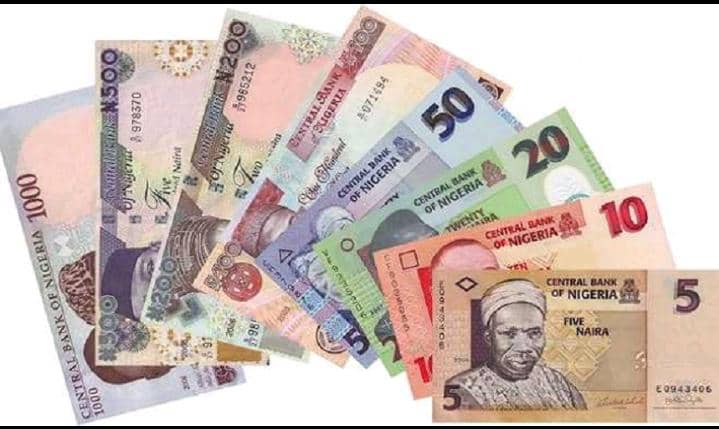
On currency outlook, MAN expects continued naira strength, projecting a range of ₦1,300–₦1,400 per U.S. dollar. This appreciation is premised on oil price recovery, elevated export earnings, foreign investment inflow, and remittances. “For manufacturers, naira is projected to appreciate further to N1,300–N1,400/$, driven by global oil price recovery, stronger external reserves, robust export earnings, increased foreign investments and remittance inflows.”
MAN’s optimism depends heavily on effective implementation of fresh tax incentives, full launch of Nigeria’s Single Window system, and alignment of industrial policy with the “Nigeria First” agenda.
Gross Domestic Product (GDP) growth is seen rising to 4 percent in 2026, predicated on expanded oil output, improved fiscal space, and rises in manufacturing, finance, and consumption, particularly around the election season.
At present, Nigeria’s headline inflation has eased to 18.02 percent, according to the latest Consumer Price Index data from the National Bureau of Statistics. That’s part of a broader downward trend since March, though some states still grapple with high living costs. In September, the CBN’s Monetary Policy Committee cut the MPR from 27.5 percent to 27 percent, while also narrowing the asymmetric corridor around the benchmark rate.
Lower inflation and reduced benchmark rates could revive investor confidence, boost borrowing, and galvanize industrial growth, which is essential for job creation. However, success hinges on disciplined fiscal and monetary coordination. If executed well, Nigeria could emerge more competitive, draw capital inflows, and soften pressure on citizens’ purchasing power.