
A consortium of Nigerian lenders has placed Nestoil Limited, a major player in Nigeria’s oil and gas sector, under receivership, citing a staggering indebtedness exceeding $1 billion. The move underscores an aggressive, ongoing push by financial institutions and regulatory bodies to recover outstanding corporate loans in the country.
The Nestoil Receivership Case
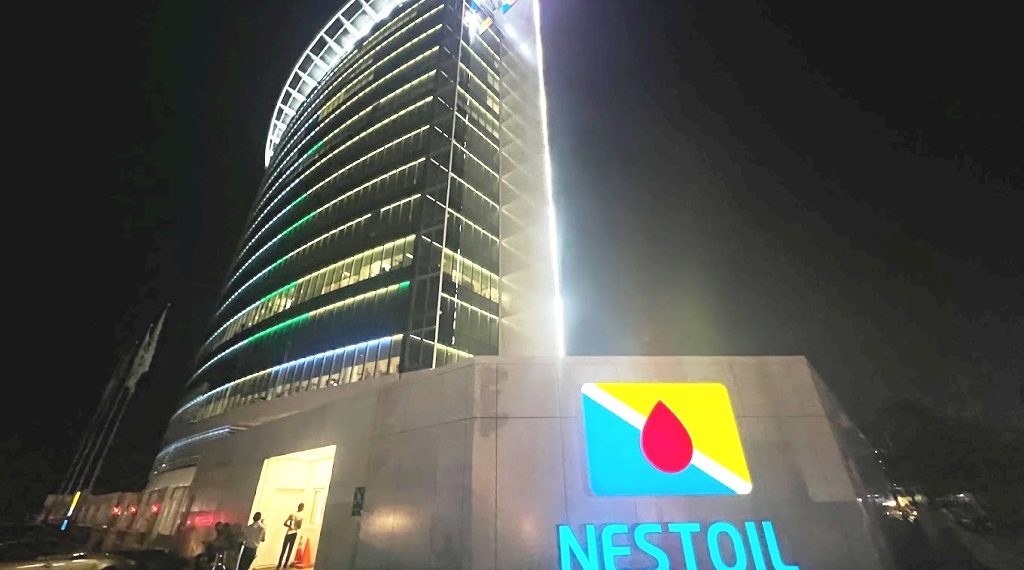
The crisis came to a head on October 22, 2025, when the Federal High Court in Lagos, presided over by Justice D. I. Dipeolu, issued a Mareva injunction. This order authorized the appointed Receiver/Manager, acting for lead creditors like First Trustees and FBNQuest Merchant Bank, to take over the assets of Nestoil and its affiliate, Neconde Energy Limited. Police subsequently sealed the company’s corporate headquarters in Lagos.
The court order restrained the defendants—Nestoil, Neconde, and their principal promoters, Ernest Azudialu-Obiejesi and Nnenna Obiejesi—from dealing in or disposing of their assets up to the value of the debt. The total amount in question was specified as $1,012,608,386.91 and ₦430,014,064,380.77 combined, as of September 30, 2025. Numerous major Nigerian banks, including Access Bank, Fidelity Bank, Guaranty Trust Bank, and Zenith Bank, were listed as “affected parties” and ordered to freeze the defendants’ assets.
Context: An Aggressive Recovery Trend
The receivership of Nestoil is not an isolated incident; it reflects a tightening legal and financial climate for defaulting companies in Nigeria. In a parallel, equally recent development, the Federal High Court in Lagos granted Lotus Bank Limited the authority to take over the assets of Unpacked Limited in October 2025 to recover an alleged ₦532.6 million debt. This action also involved appointing a receiver/manager and restraining financial institutions from dealing with the firm’s funds, demonstrating the quick deployment of judicial measures by creditors.
Furthermore, the Asset Management Corporation of Nigeria (AMCON), established to clean up the banking sector’s bad loan portfolio, continues to pursue debtors aggressively. AMCON is actively working to recover nearly N5 trillion in outstanding debts. Its strategy involves using the full force of the law, including securing vesting orders and deploying international asset tracers to locate and recover assets that defaulting promoters may have hidden offshore or masked under Special Purpose Vehicles (SPVs).
These high-profile legal battles emphasize that Nigerian courts are increasingly supporting creditors’ attempts to enforce loan agreements through receivership, winding-up proceedings, and the seizure of assets, setting a firm precedent for corporate accountability in the country’s business environment.