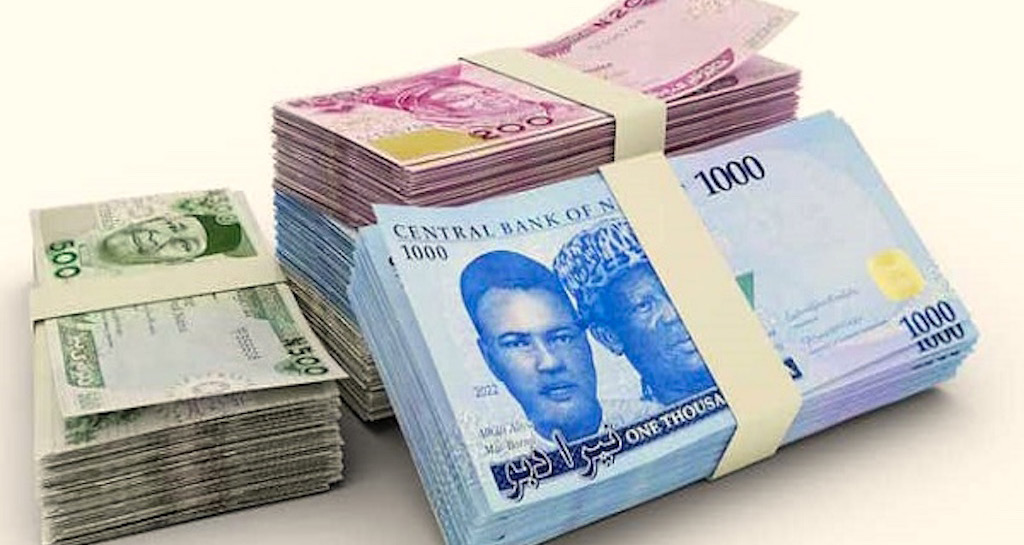

The Nigerian naira traded largely unchanged at N1,382.33 per US dollar in the Nigerian Foreign Exchange Market (NFEM) on Monday, maintaining the relative stability that has characterised the official market in recent weeks despite continued strength in the US dollar and lingering pressure in the parallel market.
The latest exchange rate represents a marginal depreciation from Friday’s closing rate of N1,379.62/$, extending a week in which the local currency lost around 0.85% against the dollar. Even so, the naira has continued to trade within a relatively narrow band of N1,370 to N1,385, reflecting improved liquidity and sustained confidence in the official foreign exchange market.
A major pillar supporting the currency has been Nigeria’s external reserves, which have climbed above $51 billion, their highest level in years. The increase has been underpinned by stronger crude oil export receipts, improved foreign portfolio inflows and other external funding sources, providing the Central Bank of Nigeria (CBN) with greater capacity to support market liquidity and absorb temporary demand shocks.
Despite the stability in the official market, the parallel market continues to reflect underlying foreign exchange shortages. Bureau de Change operators in Lagos quoted the dollar at about N1,425/$ for selling and N1,410/$ for buying on Monday, leaving a premium of roughly N43 over the official rate.
The persistent gap highlights continued demand from importers, manufacturers, students and small businesses that struggle to obtain foreign exchange through authorised banking channels. Analysts say narrowing this spread remains essential to strengthening confidence in Nigeria’s exchange rate reforms.
Investor sentiment has also been supported by elevated domestic interest rates. Treasury bill yields ranging between 16% and 19%, alongside the CBN’s 26.5% Monetary Policy Rate, have continued to attract foreign portfolio investors seeking higher returns, helping to sustain dollar inflows into the official market.
In addition, the CBN’s efforts to clear verified foreign exchange obligations and tighten regulation of Bureau de Change operators have improved transparency and reduced opportunities for speculative arbitrage, contributing to the naira’s recent resilience.
However, external risks remain. The US dollar has strengthened amid renewed geopolitical tensions in the Middle East and expectations that the US Federal Reserve could maintain higher interest rates for longer if inflation proves persistent. A stronger dollar typically places additional pressure on emerging market currencies, including the naira.
Market participants will closely watch upcoming US inflation data, global oil prices and domestic foreign exchange liquidity for clues on the naira’s near-term direction. While Nigeria’s stronger reserve position provides an important buffer against volatility, analysts caution that seasonal demand for imports, overseas tuition payments and travel could continue to sustain pressure on the parallel market in the months ahead.