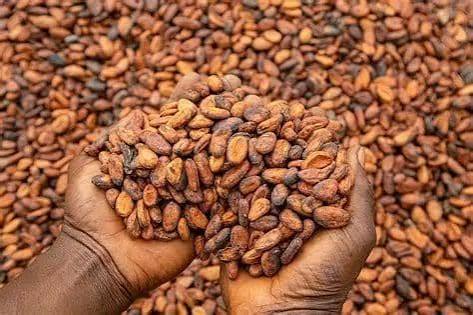

Nigeria, Ghana, Côte d’Ivoire and Cameroon have agreed to establish a unified cocoa trading bloc aimed at accelerating domestic processing and reducing the export of raw cocoa beans, a move that could significantly reshape the global cocoa supply chain and increase Africa’s share of the lucrative chocolate market.
The four countries are expected to formally adopt the Abuja Declaration during the Cocoa Value Addition Summit 2026, creating the Cocoa Value Addition Alliance. Together, the nations produce nearly two-thirds of the world’s cocoa beans, making the alliance one of the most influential producer groupings in the global agricultural commodities market.
The initiative marks a strategic departure from the long-standing practice of exporting unprocessed cocoa beans while most value-added activities, including grinding, chocolate manufacturing and branding, take place in Europe, North America and Asia. By encouraging domestic processing before export, member states hope to retain a greater share of industry revenues, generate higher export earnings and stimulate industrial development.
According to a joint communiqué issued ahead of the summit, the alliance will coordinate pricing strategies, harmonise quality standards and strengthen cooperation on trade policies. The bloc also intends to negotiate collectively with international buyers, building on the existing collaboration between Ghana and Côte d’Ivoire, which have previously worked together to improve producer returns through coordinated pricing initiatives.
Industry analysts say the alliance could alter the balance of power in the global cocoa market. A coordinated regional approach may encourage multinational chocolate manufacturers to source more semi-processed and finished cocoa products directly from West Africa rather than relying primarily on imported raw beans.
The strategy also aligns with broader efforts by African governments to promote industrialisation, expand manufacturing capacity and create employment across agricultural value chains. Investments in cocoa grinding plants, processing facilities and supporting infrastructure could help diversify export revenues while reducing the region’s dependence on volatile commodity prices.
However, analysts caution that achieving the alliance’s objectives will require substantial investment in electricity, transport networks, financing and modern processing technology. Maintaining consistent product quality, ensuring regulatory alignment among member states and improving market access will also be critical to sustaining competitiveness in international markets.
If successfully implemented, the Cocoa Value Addition Alliance could represent one of the most significant structural reforms in Africa’s agricultural export sector in decades. Beyond increasing export earnings, the initiative has the potential to strengthen rural economies, attract new investment into manufacturing and reposition West Africa from being primarily a supplier of raw cocoa beans to becoming a leading global hub for cocoa processing and higher-value chocolate products.