
Nigeria is facing fresh electricity challenges as several communities in Lagos and Osun states continue to experience prolonged power outages caused by separate problems affecting the country’s power infrastructure.
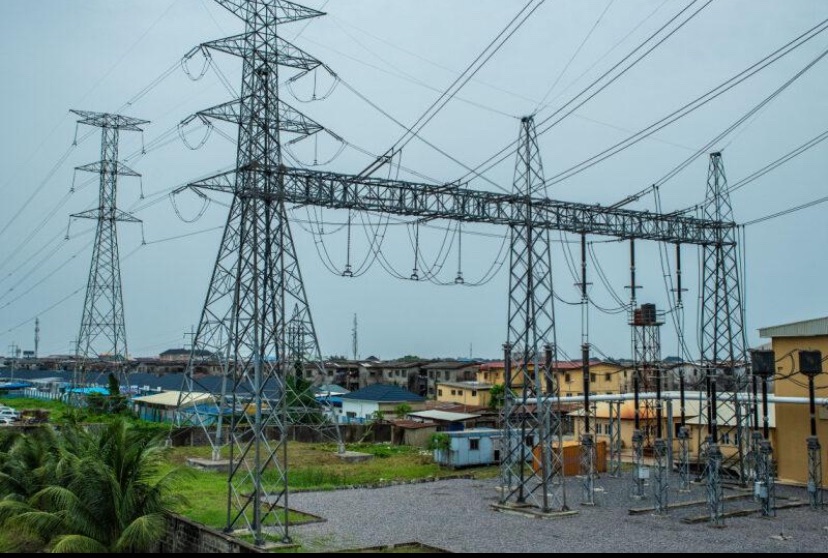
In Lagos, the Eko Electricity Distribution Company (EKEDC) announced that electricity supply has been reduced after two major 330kV transmission lines developed faults. The affected lines are the Oshogbo-Ikeja and Benin-Egbin transmission lines, both of which are important for delivering electricity to the state.
Because of the disruptions, the amount of electricity available to EKEDC has dropped, forcing the company to introduce load shedding across some of its service areas. Load shedding is a process where electricity is shared among different locations by temporarily cutting power in some areas to manage the limited supply.
EKEDC explained that it is working closely with the national grid operator to restore normal electricity as soon as repairs are completed. The company thanked customers for their patience but did not provide a specific date for when the affected transmission lines would be fixed.
The latest incident comes only a week after the Transmission Company of Nigeria (TCN) declared force majeure at its Oworonshoki 132/33kV and Lekki 330/132kV substations. Those facilities were severely affected by flooding, which has continued to disrupt electricity supply in many parts of Lagos.
Several areas in Lagos have been impacted by the ongoing power shortage. Communities around Lekki, Chevron Drive, Agungi, Ikate, Elegushi, Oniru, Maroko, Ajose Adeogun, Osapa London, Jakande, Ajiran, Landmark Road, Igbo Efon and many nearby locations have experienced unstable or no electricity for several days.
Residents have expressed frustration over the prolonged blackout. Many said the lack of electricity has affected their daily lives, businesses and access to basic services such as pumping water into their homes.
One resident of Festac complained that his area had been without electricity for four consecutive days and appealed to the distribution company to restore supply as quickly as possible. In response, EKEDC explained that the blackout was caused by reduced electricity allocation from the national grid and assured customers that efforts were ongoing to improve the situation.
Meanwhile, Osun State is also dealing with electricity disruptions after flooding damaged facilities at the Ilerin Injection Substation. According to the Ibadan Electricity Distribution Company (IBEDC), the flooding was triggered by a heavy windstorm that affected critical equipment.
The damaged facilities include the Isare, Irogbo and Mount Carmel 11kV feeders, leading to power outages in several communities. Areas affected include Ifewara, Iwara, Bolorunduro, Irogbo, Ayeso, Odo-Oro, Wesley, Express Area, Ilerin, Irojo, Olomilagbala, Iwikun, Isare and surrounding communities.
IBEDC said its engineers are already working to repair the damaged equipment and restore electricity to affected customers. The company also apologised for the inconvenience and assured residents that every effort is being made to return power as soon as possible.
The latest incidents once again highlight the challenges facing Nigeria’s electricity sector, where equipment failures, flooding and ageing infrastructure continue to cause frequent power interruptions, leaving thousands of homes and businesses without reliable electricity.