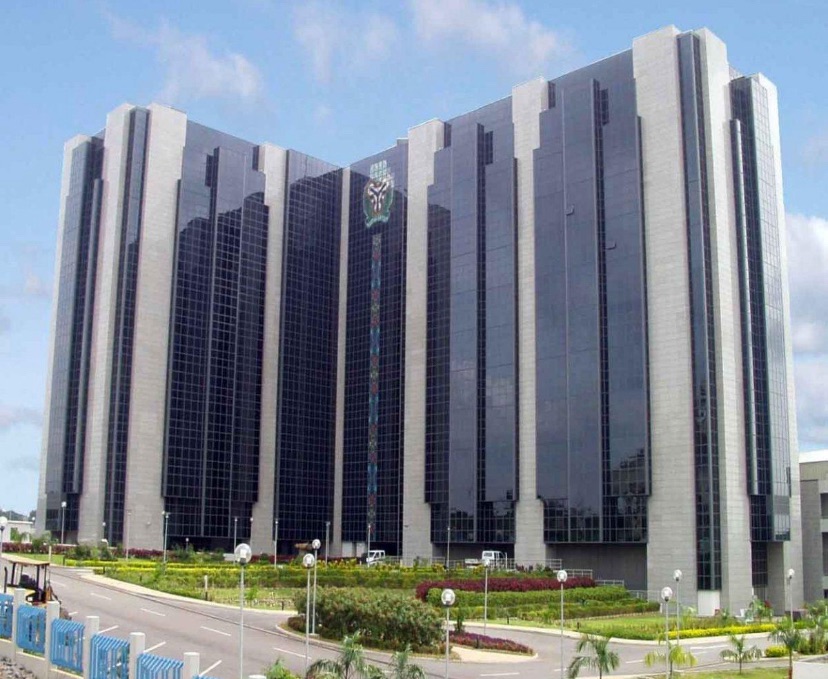

The Central Bank of Nigeria (CBN) has withdrawn the operating licences of 46 microfinance banks in a move aimed at improving the stability of the country’s financial system. Although the decision has caused concern among customers and businesses that rely on these banks, experts believe it will help create a stronger and more reliable banking sector in the long run.
The licences were officially revoked on July 1, 2026, after the affected banks failed to meet important regulatory requirements. According to the CBN, many of the banks had serious operational problems, including inadequate capital, inability to meet financial obligations, prolonged inactivity, unauthorized closure of branches, and failure to begin operations within the required period after receiving their licences.
The CBN explained that the action was taken to protect depositors, strengthen confidence in the banking system, and ensure that all licensed financial institutions comply with Nigerian banking laws. The regulator added that only financially healthy and well-managed institutions should continue operating.
Following the licence withdrawals, the Nigeria Deposit Insurance Corporation (NDIC) has taken over the affected banks as the official liquidator. The corporation is now responsible for managing their assets, verifying customers’ deposits, and paying insured funds to eligible depositors.
The NDIC also warned members of the public against conducting unauthorized transactions involving the closed banks or interfering with their records and properties. It said such actions could attract legal penalties. The agency assured customers that it has already started the process of verifying deposits and will continue to provide updates throughout the liquidation exercise.
The latest crackdown is part of the CBN’s wider efforts to clean up Nigeria’s financial sector. Since Governor Olayemi Cardoso assumed office, the apex bank has maintained a strict position on poor corporate governance, weak capital, and non-performing loans. This is not the first large-scale action against microfinance banks. In 2023, the CBN also revoked the licences of 179 microfinance banks, alongside several mortgage banks and finance companies.
Financial analysts believe the latest development will encourage stronger banks to expand while weaker institutions either merge or leave the market. Meristem Securities noted that rising inflation and economic challenges have placed significant pressure on smaller microfinance banks, making it difficult for many to remain financially stable.
The firm believes the licence revocations are part of a broader strategy to improve the resilience of Nigeria’s banking industry. It expects more consolidation within the microfinance sector as operators work to meet higher capital and governance standards.
However, some experts have raised concerns about the short-term effects of the closures. The President of the Bank Customers Association of Nigeria, Professor Uju Ogubunka, said the disappearance of 46 microfinance banks could reduce access to loans for market traders, farmers, and small business owners who depend on community-based lenders.
He warned that the closures could temporarily slow financial inclusion, especially in rural communities where microfinance banks play an important role. Without enough alternative financial institutions, some communities may experience reduced access to banking services.
Despite these concerns, analysts say the long-term outlook remains positive. They expect many customers to move their deposits to stronger commercial banks and well-capitalized digital microfinance institutions. This shift is expected to improve public confidence, strengthen financial stability, and create a healthier banking environment.
Experts agree that although the decision may be difficult for affected customers and communities, removing weak institutions from the financial system is necessary to protect depositors and ensure the long-term growth of Nigeria’s banking industry.