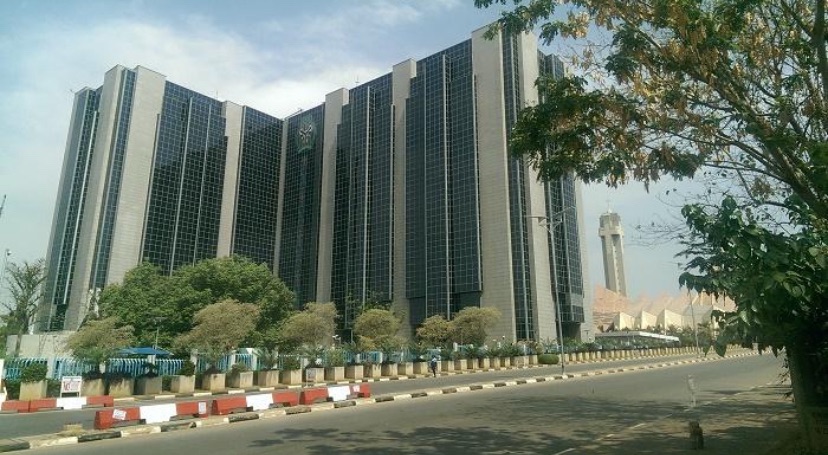

The Central Bank of Nigeria (CBN) has announced plans to raise N2 trillion through Treasury Bills (T-bills) in July 2026 as part of its strategy to manage money supply and control inflation. The amount is much higher than the N647.79 billion worth of Treasury Bills that will mature during the month, meaning the bank intends to remove about N1.35 trillion from the financial system.
This is the biggest monthly liquidity withdrawal planned by the CBN in 2026 so far. The move is expected to reduce the amount of cash available in the banking system while also helping the government finance part of its budget needs.
The July issuance marks the beginning of the CBN’s third-quarter (Q3) 2026 Treasury Bills programme. Between July and September, the apex bank plans to issue N5.8 trillion in Treasury Bills, while only N2.64 trillion worth of existing bills will mature. This means there will be a net increase of about N3.16 trillion in short-term government borrowing during the quarter.
The first auction will take place on Wednesday, July 8, 2026. During this auction, the CBN will offer N700 billion in Treasury Bills across three different maturities. These include N100 billion in 91-day bills, N100 billion in 182-day bills, and N500 billion in 364-day bills.
At the same time, Treasury Bills worth N269.36 billion will mature. Since the new offer is much larger than the amount maturing, about N430.64 billion will be removed from the banking system after the auction.
The CBN’s July schedule includes three major auctions. The first will hold on July 8 with N700 billionon offer. Another N600 billion auction is scheduled for July 15, while July 22 will have no new Treasury Bill sale. Instead, N378.43 billion in maturing bills will be paid back to investors, temporarily increasing liquidity in the banking system. The final auction for the month will take place on July 29, when another N700 billion will be offered, absorbing much of the cash released a week earlier.
The stop rates remain unchanged from the previous auction held in June. The 91-day bill will be offered at 16.28%, the 182-day bill at 16.50%, and the 364-day bill at 17.34%.
Results from the June auctions showed that investors strongly preferred the one-year Treasury Bill. The 364-day bill attracted subscriptions worth N1.66 trillion, more than twice the N800 billion offered. The shorter-term bills received weaker demand, with the 182-day bill attracting fewer bids than the amount available.
Financial analysts expect this trend to continue in July, with institutional investors likely to focus on the one-year Treasury Bill because of its higher returns. Demand for shorter-term bills may remain limited unless interest rates are increased.
The CBN uses Treasury Bills as one of its main tools to control inflation by reducing excess cash in circulation. When the value of new Treasury Bills exceeds the amount maturing, money is effectively taken out of the banking system. This helps reduce inflationary pressure but can also increase borrowing costs for businesses and individuals.
Although the maturity of N378.43 billion on July 22 will briefly improve liquidity, the July 29 auction is expected to absorb those funds quickly. Overall, the July Treasury Bill programme highlights the CBN’s commitment to maintaining tight monetary policy while supporting government financing and managing inflation throughout the third quarter of 2026.