
The Federal Government has dismissed allegations that it operates a “shadow budget” involving public spending outside the 2026 Appropriation Act, insisting that the claims misrepresent findings contained in the International Monetary Fund’s (IMF) latest assessment of Nigeria’s public finances.
The controversy follows the IMF’s 2026 Article IV Consultation Report, which highlighted gaps in the comprehensiveness of Nigeria’s fiscal reporting. The Fund noted that government spending equivalent to about 2 percent of Gross Domestic Product (GDP) was not fully reflected in the consolidated budget presentation and recommended improvements to fiscal reporting and transparency.
Former Vice President Atiku Abubakar subsequently estimated the gap at about ₦8.8 trillion based on his calculation of Nigeria’s GDP and accused the administration of operating a “parallel fiscal universe.” He also called for anti-corruption agencies to investigate the discrepancy.
However, the IMF did not accuse the Federal Government of illegality or financial misconduct. Rather, it recommended strengthening fiscal reporting to ensure that all categories of government expenditure are captured within a more comprehensive and transparent budget framework.
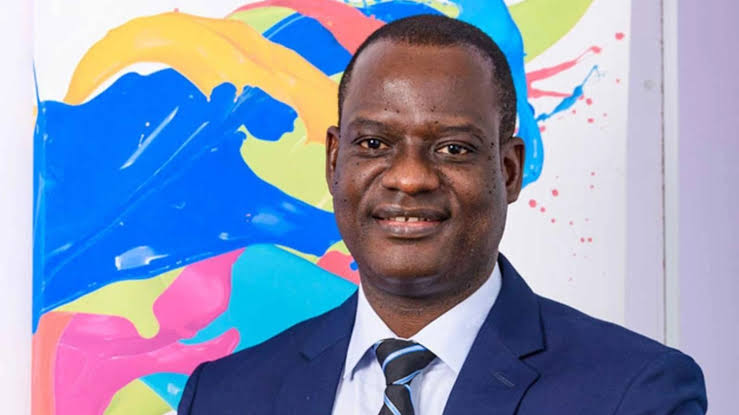
Responding in a statement issued on Sunday, July 5, 2026, the Minister of Finance and Coordinating Minister of the Economy, Taiwo Oyedele, Chairman of the Presidential Committee on Fiscal Policy and Tax Reforms, said the IMF’s observations relate to fiscal reporting and statistical coverage, not unauthorized government spending.
According to Oyedele, all federal expenditures are undertaken through constitutionally recognised channels, including annual Appropriation Acts, statutory transfers and other legally established financing mechanisms, such as capital expenditure rollovers for multi-year infrastructure projects.
“If anyone believes the Federal Government spent public funds outside lawful appropriations, they should identify the specific projects or expenditures involved,” Oyedele said, arguing that allegations of a shadow budget remain unsupported by evidence.
The government maintained that the IMF’s recommendations are aimed at improving the presentation and coverage of public finance data rather than questioning the legality of government expenditure.
Officials also pointed to ongoing public finance reforms under President Bola Tinubu’s administration, including efforts to strengthen budget reporting across government institutions and improve the integration of fiscal accounts. According to the government, these measures are intended to enhance transparency, improve fiscal accountability and provide investors, development partners and credit rating agencies with a more comprehensive picture of Nigeria’s public finances.