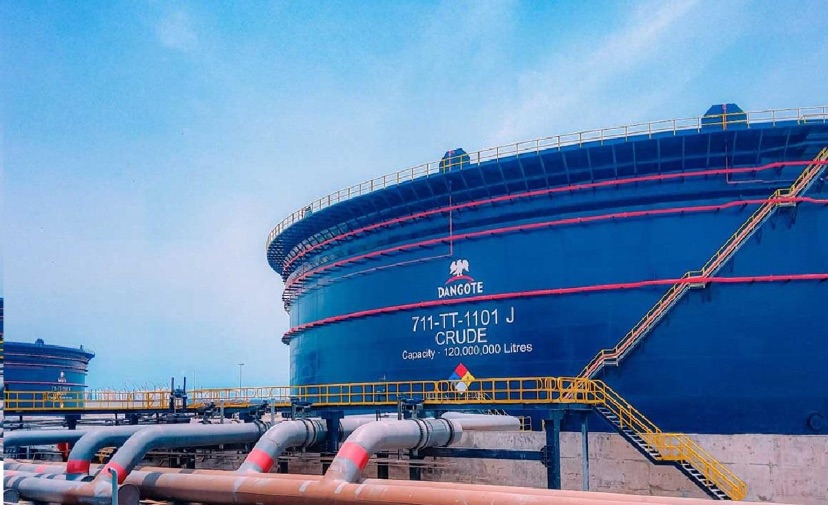

The Dangote Petroleum Refinery has revealed that it spent about $4.48 billion importing crude oil between May and June 2026, purchasing more than 40 million barrels to keep its refinery running.
The company released the figures to explain why fuel prices do not change immediately whenever international crude oil prices rise or fall. According to the refinery, crude oil is usually bought several weeks or even months before it is processed, meaning current fuel prices are based on older and more expensive crude purchases rather than today’s market prices.
Official records showed that the refinery imported 21.47 million barrels of crude oil in May at a total cost of $2.68 billion. In June, it imported another 18.93 million barrels, spending $1.80 billion.
The data also showed that the average landed cost of crude oil fell significantly during the period. In May, each barrel cost an average of $124.80, while the average dropped to $95.25 per barrel in June. This represents a decline of nearly 24 percent, reflecting lower global oil prices, improved shipping conditions, and increased supply from cheaper crude grades.
The refinery sourced crude from several countries and oil producers, including Nigerian grades such as Bonny Light, Qua Iboe, Forcados, Escravos, Amenam, Agbami, and Cawthorne, as well as international grades like El Sharara, Cabinda, Payara, Jubilee, and ABO.
Some of the most expensive cargoes arrived in May. For example, shipments of El Sharara crude cost over $131 per barrel, while Bonga crude exceeded $134 per barrel, making them among the highest-priced imports during the month.
By June, prices had eased considerably. Several shipments of Amenam, Escravos, Agbami, Forcados, and Bonny Light crude were delivered at prices between $90 and $95 per barrel, helping reduce the refinery’s overall import costs.
The company explained that crude oil pricing is based on long-term commercial contracts rather than daily international benchmark prices. It said the crude is purchased using monthly average pricing formulas that also include freight charges, insurance, logistics costs, and market premiums.
According to the refinery, this means the actual cost of crude is usually much higher than the Brent crude price often reported in the media.
The company also stressed that it deliberately absorbed part of the higher production costs instead of passing the full increase to Nigerian consumers. It said this decision helped stabilize the local fuel market, reduce inflationary pressure, and protect businesses and households from sharp fluctuations in global oil prices.
Dangote Refinery noted that Nigeria is already benefiting from increased domestic refining, as the facility now supplies enough petroleum products to meet the country’s fuel demand. This has helped reduce dependence on imported fuel, conserve foreign exchange, and improve energy security.
Looking ahead, the refinery expressed optimism that petrol prices could fall further in the coming months. It explained that as the cheaper crude oil purchased in June and beyond enters production, the cost of refined petroleum products is expected to decline, provided international oil market conditions remain stable.
The company reaffirmed its commitment to producing high-quality petroleum products at competitive prices while supporting Nigeria’s economy and strengthening the nation’s long-term energy security.