
Fuel prices in Nigeria may remain above N1,000 per litre for the foreseeable future despite the recent decline in global crude oil prices, as industry players say market conditions and competition will determine when prices fall further.
Many Nigerians had expected petrol prices to drop sharply after international crude oil prices fell to around $70 per barrel following easing tensions in the Middle East and the reopening of oil supply routes through the Strait of Hormuz. Instead, only slight reductions have been recorded at filling stations.
Industry experts say a major price reduction is unlikely unless fuel importers decide to compete directly with the Dangote Petroleum Refinery by lowering their own prices.
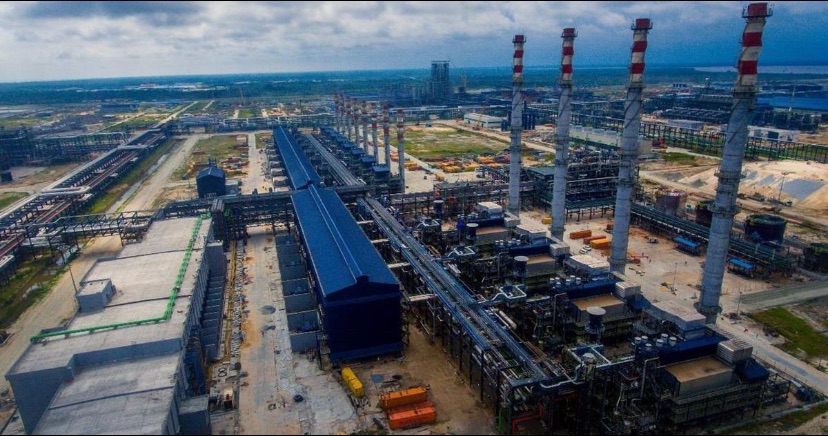
Since late 2024, the Dangote Refinery has become the country’s main price setter for petrol after local refining capacity improved and dependence on imports reduced.
A senior official of the Dangote Group, who spoke anonymously, argued that attention should not be focused only on the refinery. According to the official, fuel importers that have received import licences from the Federal Government should also reduce their pump prices if they are bringing in cheaper products.
The source questioned why importers had not passed on the benefits of lower-cost fuel imports to consumers, especially as some imported products are reportedly cheaper than locally refined petrol.
The official also explained that the refinery still has large volumes of crude oil purchased when global prices were much higher. Because refining is still being carried out using this expensive crude, an immediate and significant reduction in petrol prices would be difficult.
He added that the refinery has crude oil stored in its facilities, while more shipments are still on their way to Nigeria under existing supply agreements.
The source further claimed that the refinery continues to receive only limited supplies of locally produced crude oil, forcing it to import crude for refining while exporting some of its finished petroleum products.
Latest figures from the Major Energies Marketers Association of Nigeria (MEMAN) show that the landing cost of imported petrol is about N1,023 per litre, while Dangote Refinery’s previous gantry price stood at N1,075 per litre before it later announced a N50 reduction.
Despite these changes, many filling stations have not significantly reduced their pump prices.
The National Publicity Secretary of the Independent Petroleum Marketers Association of Nigeria (IPMAN), Chinedu Ukadike, said fuel importers remain cautious because they are uncertain about Dangote Refinery’s next pricing decision.
According to him, previous price cuts by the refinery caused losses for marketers who had already purchased fuel at higher prices. As a result, importers are reluctant to slash prices aggressively without knowing whether another reduction may follow.
Ukadike described the situation as a competitive battle between importers and the refinery, with each side carefully watching the other’s next move.
Meanwhile, depot prices across Nigeria have shown mixed movements. Several fuel depots in Lagos reduced petrol prices slightly, while others maintained existing prices. Diesel prices also recorded modest declines at some locations.
The gradual price adjustments came even as international crude oil prices continued to weaken, raising expectations that fuel prices could eventually fall further.
The Minister of State for Petroleum Resources (Oil), Heineken Lokpobiri, recently warned that the Federal Government would not tolerate unfair practices or profiteering in the downstream petroleum sector.
Although he acknowledged that petrol pricing is now guided by market forces under deregulation, he stressed that regulators still have a responsibility to protect consumers from exploitation.
The Federal Competition and Consumer Protection Commission (FCCPC) has also expressed concern over the slow reduction in fuel prices despite the sharp drop in global crude oil prices.
However, fuel marketers have rejected suggestions of government-imposed price controls. IPMAN warned that forcing filling stations to sell at regulated prices in a deregulated market could lead to nationwide shutdowns.
For now, Nigerians continue to watch developments closely, hoping that increased competition, lower crude oil prices, and ongoing market adjustments will eventually lead to more affordable petrol across the country.