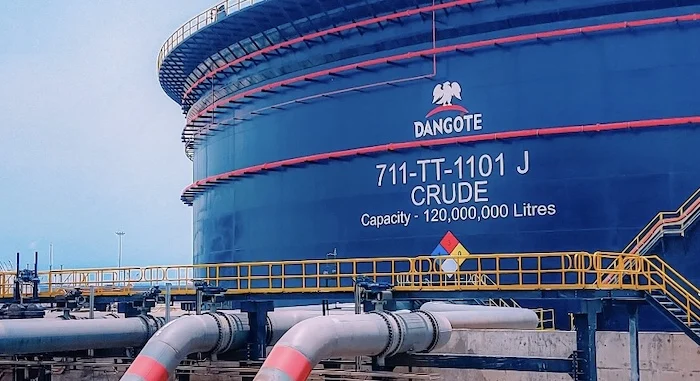

Dangote Petroleum Refinery & Petrochemicals has reduced the ex-depot price of Premium Motor Spirit (PMS), commonly known as petrol, by N50 per litre to N1,075 on Thursday, July 2, 2026, extending a series of price cuts that are reshaping Nigeria’s downstream petroleum market.
The latest adjustment represents the refinery’s fourth reduction within a month and brings the cumulative decline in its ex-depot petrol price to more than N200 per litre since late May. The move is expected to intensify competition among fuel marketers and could translate into lower pump prices for consumers, subject to distribution, transportation and retail margins.
The refinery has also broadened access to its petrol supply by opening product loading to all qualified marketers, ending its previous consortium-based marketing arrangement. Industry observers say the decision could improve product availability, enhance competition and streamline fuel distribution across the country.
Beyond petrol, Dangote Refinery has reduced the ex-depot price of Automotive Gas Oil (diesel) by N300 per litre and Jet A1 aviation fuel by N520 per litre over the same period. The cuts are expected to lower operating costs for businesses, transport operators and airlines, sectors where fuel remains one of the largest expense items.
In a statement, the company attributed the successive price reductions to declining production costs, adding that it has continued to adjust prices despite refining crude oil acquired when international oil prices were significantly higher than current market levels.
According to the refinery, the average landed cost of crude processed stood at approximately $124.80 per barrel in May and $95.25 per barrel in June, compared with an international benchmark price of around $71 per barrel. The company said its pricing strategy reflects underlying production economics rather than short-term movements in global crude markets.
“Today’s N50 per litre reduction is the fourth price cut in one month, ensuring pricing decisions are anchored on actual production economics rather than short-term fluctuations,” the company said.
The refinery also stated that its current production capacity is sufficient to satisfy domestic demand, a development that could strengthen Nigeria’s energy security by reducing dependence on imported refined petroleum products. Increased local refining is also expected to conserve foreign exchange previously spent on fuel imports while supporting the broader objective of improving stability in the country’s downstream oil market.
Market participants will be watching closely to see whether competing suppliers and retail marketers adjust pump prices in response to Dangote Refinery’s latest pricing move, potentially providing further relief to households and businesses grappling with high energy costs.