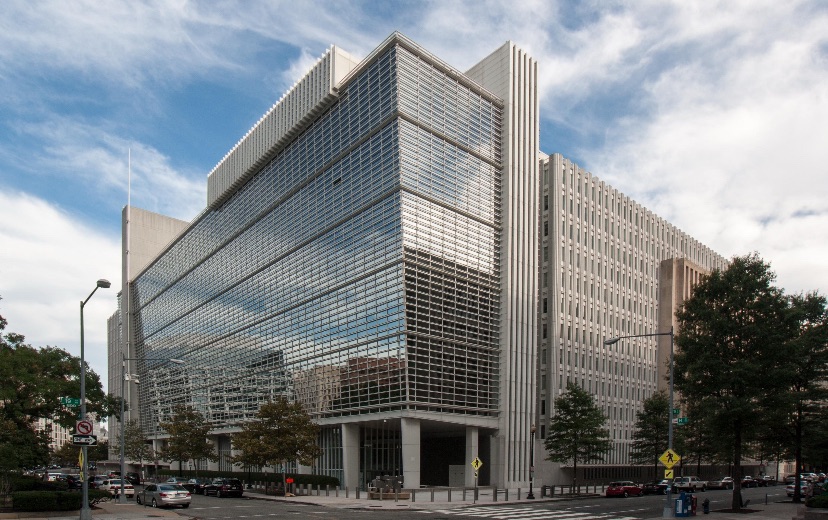

The World Bank has approved a new $1.25 billion loan for Nigeria under the Nigeria Actions for Investment and Jobs Acceleration (NAIJA) Development Policy Financing (DPF) programme. The funding is aimed at supporting economic reforms, encouraging private sector growth, and creating more jobs across the country.
The approval was announced on Wednesday alongside the launch of the World Bank’s new Country Partnership Framework (CPF), which will guide its support for Nigeria from 2026 to 2032.
According to the World Bank, the new framework is designed to help Nigeria achieve stronger economic growth by encouraging private investment, improving infrastructure, and creating employment opportunities for millions of Nigerians.
The bank explained that the programme will focus on making the economy more competitive while ensuring that the benefits of economic reforms are felt by ordinary citizens.
As part of the six-year partnership, the World Bank plans to support projects that will provide electricity to 32 million Nigerians, expand broadband internet access to 58 million people, improve healthcare and nutrition services for 40 million citizens, and help 9.5 million farmers increase agricultural productivity through better farming support.
The programme will also invest in human capital development, digital technology, energy access, agriculture, and other sectors considered important for long-term economic growth.
World Bank Country Director for Nigeria, Mathew Verghis, said the organisation wants to help Nigeria turn recent economic reforms into better living conditions for its people.
He noted that while recent government reforms have helped improve economic stability, increase government revenue, strengthen foreign reserves, and boost investor confidence, more work is needed to remove obstacles preventing businesses from growing and creating jobs.
According to the World Bank, the newly approved loan will support reforms aimed at improving Nigeria’s business environment. These reforms include strengthening the capital market, modernising digital economy regulations, expanding electricity access through power sector reforms, reducing trade barriers under the Economic Community of West African States (ECOWAS) and the African Continental Free Trade Area (AfCFTA) agreements, improving access to quality seeds for farmers, and increasing government revenue collection.
The International Finance Corporation (IFC) also welcomed the initiative. IFC Divisional Director for Nigeria, Dahlia Khalifa, said Nigeria has significant potential to attract more private investment if ongoing reforms continue. She added that creating jobs and improving productivity will be important for the country’s long-term economic success.
Similarly, the Vice-President and Chief Financial Officer of the Multilateral Investment Guarantee Agency (MIGA), Ed Mountfield, said Nigeria’s reform efforts are opening new opportunities for investors. However, he stressed that reducing investment risks remains important and said MIGA would continue providing guarantees and political risk insurance to encourage investment.
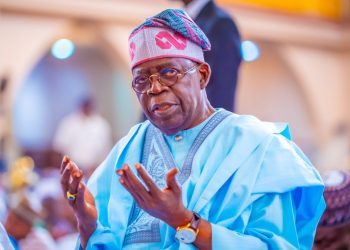
The latest approval is the second-largest World Bank loan secured by the administration of President Bola Tinubu, following the $1.5 billion economic reform loan approved in June 2024.
Despite the expected benefits, the new loan has renewed concerns about Nigeria’s growing debt burden. Many Nigerians have questioned the country’s increasing dependence on foreign borrowing at a time when many citizens continue to face rising living costs and economic hardship.
Data from the Debt Management Office (DMO) shows that Nigeria’s debt to the World Bank increased from $17.81 billion at the end of 2024 to $19.89 billion by December 31, 2025. This represents an increase of $2.08 billion, or 11.7 percent.
The figures also show that the World Bank remains Nigeria’s largest multilateral lender, accounting for 38.36 percent of the country’s total external debt of $51.86 billion as of the end of 2025.
While the Federal Government believes the new funding will support reforms, improve infrastructure, and create jobs, many analysts say careful management of the loan will be necessary to ensure it delivers lasting economic benefits without adding unnecessary pressure to Nigeria’s debt obligations.